CommonHealth is a coalition for reproductive health and safe Abortion. It is a membership based network of individuals and organizations across 22 states in India working in the area of maternal health, reproductive health and safe abortion access for women and communities.
Author: dev castle
-
MTP Amendment Bill 2020: A Story of Missed Opportunities
The Medical Termination of Pregnancy Amendment Bill of 2020 was a perfect opportunity to enhance access to safe, legal and quality abortion services through a comprehensive approach based on evidence-based amendments. Unfortunately, it fell short of expectation.
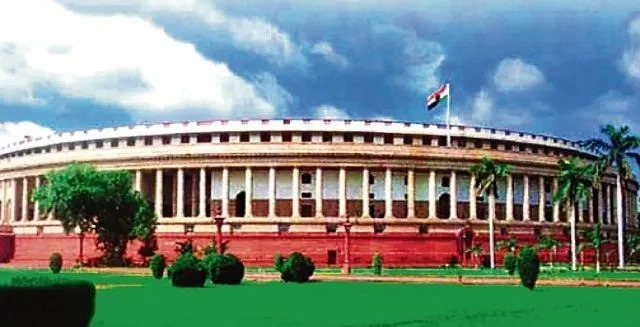
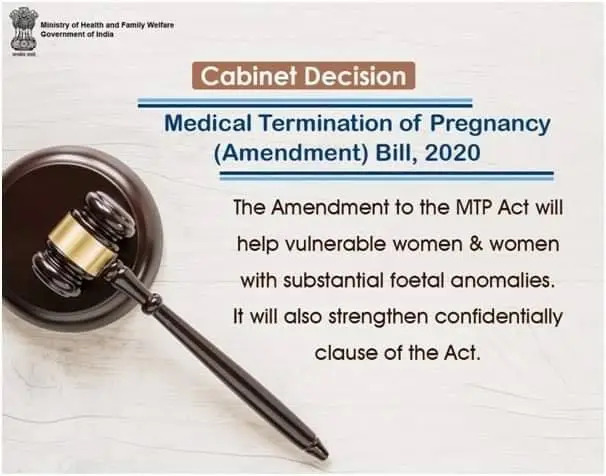
The Union Cabinet passed the MTP (Amendment) Bill, 2020 on 29th January 2020. Subsequently, on 17th March 2020, the Honourable Minister of Health and Family Welfare, Dr. Harsh Vardhan introduced the bill in the lower house of the Parliament (Lok Sabha) and it was passed by voice votes after a debate in which about twenty Members of Parliament spoke on the proposed amendments and the bill.
Almost a year to the date, Honourable Minister of Health and Family Welfare, Dr. Harsh Vardhan introduced the bill in the upper house (Rajya Sabha). The minister elaborated on the genesis of the Medical Termination of Pregnancy Act, 1971, the larger goal of providing safe and legal abortion services to ‘women’ (emphasis added) who want to terminate pregnancy and the therapeutic, humanitarian and ‘eugenic’ (emphasis added) grounds on which terminations are permitted under the Act. The rationale provided for amendments was the large number of writ petitions seeking permission of the Supreme Court (26 petitions) and the High Courts (More than 100 petitions) for termination of pregnancy with foetal abnormality or a result of sexual violence and the technological advances that enable safe abortion even in later gestational age. The process of amendments according to the Minister included wide ranging consultations with stakeholders, clearance by an ethical committee, vetting by a group of ministers and special consultation with law and justice ministry. The minister indicated that the rules framed for the amended Act will elaborate on the category of women eligible for abortion beyond 20 weeks; norms for registered medical practitioners whose opinion will be required for terminations at different gestational age and the functions and powers of the medical boards that will grant permission for termination in case of foetal abnormality. According to him, these amendments will enhance access without compromising quality of services, autonomy, dignity and confidentiality of women and will ensure justice for women seeking services.
A Member of Parliament moved the amendments to the proposed bill and requested that the bill be sent to select committee for further deliberations. Several members reiterated this demand. About eighteen Members of Parliament spoke on the bill.
In terms of positive sentiments about the bill, the comments made included it being a positive step in the direction of furthering women’s emancipation and advancing their reproductive rights; proposed increase in gestational age being beneficial for minors and rape survivors who often get to know about pregnancy much later as well as for women who have pregnancy with foetal anomaly that is often diagnosed late in the pregnancy.
Critics of the bill talked about lack of consultation with women, the primary stakeholders whose health and wellbeing are articulated as the focus of the bill. The short-sighted approach to medical board constitution was pointed out in view of unavailability of specialists and the lack of attention to women’s representation on the board. There was also mention of the logistic nightmare it would be for women in remote areas with an added layer for authorization that has the potential for unnecessary State intervention, delays thereby jeopardizing timely access to services and women continuing to seek judicial recourse in case of unacceptable decisions. It was stressed that decision making is a pregnant person’s right, not a medical board’s and the bill in its current format misses the right to abortion of pregnant person which was enshrined in the 2014 draft. Further, examination by a medical board is a violation of pregnant person’s right to privacy and dignity. Section 5A (1) of the Bill that states that ‘no registered medical practitioner shall reveal the name and other particulars of a woman whose pregnancy has been terminated under this Act except to a person authorized by any law for the time being in force’, was perceived to provide opportunity to violate confidentiality of the service seeker, assured under the original MTP Act. The proposed bill was labelled as far from comprehensive, a need based rather than a rights-based bill, one that lacked clarity on a time frame for the medical board decision-making process, and on conflation with the POCSO Act (section 19 of which mandates abortion service providers to report cases of minors to law enforcement agencies as rape and section 21 makes failure of the same as punishable). Members of Parliament brought up omissions in the bill such as an approach to address the needs and rights of sex workers and transgender persons and steps to be taken in case the foetus is delivered alive in the course of termination of the pregnancy.
Some members also provided suggestions to strengthen safe abortion services that included stipulation for two Obstetricians (rather than registered medical practitioners) being permitted to opine on termination of pregnancy in later gestational period; training and permitting nurses, ANMs and AYUSH practitioners to provide 1st trimester abortions in rural areas with shortage of allopaths; including an anesthesiologist and a psychiatrist in the medical board; increasing awareness about the legality and availability of safe services; pro-actively combating stigma associated with abortion; setting up fast-track courts especially for minor rape survivors and providing paid maternity leave to women who undergo abortion, especially those who undergo abortion in later stages of gestation.
The Minister countered the demand for sending the bill to a select committee. In his opinion, the process had already included extensive consultations with stakeholders, intense scrutiny by ethical committee and group of ministers and exhaustive discussions in the lower house. He highlighted that it was an attempt to address “extra-ordinary conditions and circumstances”, not “routine” abortions and the criticism about the bill was unwarranted. While referring to the classification of countries according to ’grounds for providing abortions’, he emphasized that India, in fact, had one of the most liberal abortion laws in the world. And this was being strengthened to further benefit women, by the proposed amendments. He added that the concerns about human resource shortage were misplaced as the system had been strengthened in the recent past with 80,000 seats for under-graduation, 24,000 seats for post-graduation, the health system had more than 10 lakh ASHAs and was able to eradicate diseases. He argued that the health system thus had the capacity to support the proposed amendments.
At the end of minister’s reply, the bill was then put to vote and was passed by the Upper House.
Reflections and recommendations
While the bill has a positive provision of reducing the number of doctors’ opinions needed for abortions between 12 to 20 weeks from two to one, recommendations proposed in 2014 amendments to provide abortion services on demand up to 12 weeks have been disregarded and the increase of the gestational age from 20 weeks to 24 weeks remains conditional to women belonging to certain categories only. Replacing the phrase ‘married women and her husband’ in the clause for providing abortion services in case of contraceptive failure with ‘women and her partner’ is partially welcome as it encompasses those out of wedlock. But retaining this focus on the partner, excludes single women, especially sex workers. Use of gender specific term ‘women’ as against ‘pregnant persons’ excludes trans and gender non-binary persons. Setting up of medical boards remains the biggest concern as it violates service seeker’s reproductive rights, adds an unnecessary layer of third-party authorization, and creates a deterrent to service access owing to inevitable implementation challenges.
The overall bill fails to consider abortion access as a right of the pregnant person and rather extends the discourse of service provision under eugenic and compassionate grounds at the discretion of medical professionals. The bill continues to be hetero-patriarchal in nature.
It is important to note that despite the discussion in the lower house, no changes were made (To know more about the Lok Sabha/ Lower House debates, please check out our blog https://safeabortion889409100.wordpress.com/2020/03/27/ lok-sabha-debate-on-mtp-amendment-bill-2020/). It is disappointing that even after half a century since the original act was passed, this long pending amendment doesn’t uphold abortion as an undeniable reproductive right within the ambit of sexual and reproductive health rights enshrined in multiple commitments under human rights treaties and development agendas.
The bill now awaits the President’s assent followed by a Gazette notification for making it into an Act. There is not much window to make changes in this space but there is a pressing need to continue our advocacy efforts to ensure that the MTP Rules framing process is inclusive of diverse stakeholders and maximizes ways in which the rules can accommodate provisions for improving access to safe abortion within the ‘given’ structure of the bill/act. There is a need for development of comprehensive implementation guidelines which can translate into the most liberal interpretation of the law. It is also necessary to create strong accountability mechanisms for tracking progress on rules framing and implementation of commitments made in the parliamentary debates.
CommonHealth remains committed to its vision of ‘a society that ensures the right to the highest attainable standards of reproductive and sexual health for all, especially for women and marginalized communities in India’. It would continuously strive to make access to safe abortion services a reality through all possible avenues.
Acknowledgement: With inputs from Ms. Renu Khanna, Steering Committee Member, CommonHealth
-
Lok Sabha Debate on MTP (Amendment) Bill 2020
The Medical Termination of Pregnancy (MTP) Act of 1971 legally permits abortion services for select conditions that provide exemptions from prosecution under the Indian Penal Code of 1861. The MTP Act specifies the gestation, facilities, physical infrastructure, and service providers for service provision. The Act and its rules have undergone amendment in 2002 and 2003 to clarify or define terms used, simplify approval of facilities that can provide the services and to keep in pace with medical advances such as the advent of the medical abortion pills.Yet, in India, a woman cannot decide for herself to have an abortion, rather the Act along with other laws and Acts in the country can be and are increasingly used to prevent access to safe abortion services. In the recent past, the number of cases filed in the court to access safe abortion services has increased exponentially. Recent data shows that majority (>80%) are conducted outside ‘legally approved or safe’ facilities and persons seeking abortion face a range of systemic and legal barriers, in accessing safe and legal abortion services, especially for gestational period beyond legally mandated 20 weeks. CommonHealth strongly believes that the right to take decisions that have implications for their own health and for access to safe, good quality services including those for safe abortion are a woman’s right.
In January 2020, the MTP (Amendment) Bill, 2020 to extend the gestational limit with a stated aim of bringing about gender justice and furthering reproductive rights was proposed and passed by the Union Cabinet. Subsequently, Honourable Minister of Health and Family Welfare, Dr. Harsh Vardhan introduced the bill in the lower house of the Parliament (Lok Sabha) on 17th March 2020. He presented the objective, key proposed amendments and sought responses from members of the house. The major amendments proposed in the bill were as follows:- Increasing gestation limit for termination of pregnancy from 20 weeks to 24 weeks for women from vulnerable groups including survivors of sexual violence and those pregnant with foetal anomalies, with opinion of 2 registered medical practitioners
- Relaxation of the upper gestational limit for termination of pregnancy in cases with substantial foetal abnormalities diagnosed by a Medical Board comprising of a gynaecologist, a paediatrician, a radiologist or sonologist, and other members as notified by the state government.
- Requirement of only 1 registered medical practitioner for termination of pregnancy till 20 weeks of gestation
- Changing the language from ‘married women and her husband’ to ‘women and her partner’ in the clause for allowing terminations of pregnancies that happened as a result of failure of contraception
- Punitive measures against any registered medical practitioner who reveals particulars of the woman whose pregnancy has been terminated to anyone other than those authorised by any law.
About twenty Members of Parliament spoke on the proposed amendments and the bill. We have attempted to summarise the key themes discussed and debated in the Lok Sabha from the perspective of CommonHealth (Key points made by members in table at the end of the document).
Need for abortion services: Most Members of Parliament chose to speak on the need in the context of survivors of sexual violence (including minors) and pregnancies with foetal anomalies. They also discussed the role of safe abortion services in reducing maternal mortality and thus fulfilling commitments under Sustainable Development Goals.
Conditionalities: Some members appreciated the removal of the word ‘married’ and replacement of ‘husband’ with ‘partner’ in the clause on failure of contraception. They saw it as a positive step towards making the law aligned to the present societal norms and towards ensuring the access of single women (unmarried, widowed) and commercial sex workers to abortion services. A few members asked for revising the availability of abortion services under all the clauses and for all women till 24 weeks rather than restricting these for vulnerable women (including sexual violence survivors) and for reasons of foetal anomalies. On the other hand, two members argued for restricting the increase in gestational limit only till 22 weeks in view of the possible viability of the foetus around 24 weeks.
Conflation with POCSO Act: Members highlighted provisions under the Protection of Children from Sexual Offences (POCSO) Act, 2012 that contradict and adversely impact service delivery under the MTP Act. Concerns were raised that requirement of guardian for a minor sexual violence survivor may be a deterrent for the survivor to report and subsequently to seek abortion services. The fact that POCSO Act categorises all sexual activity by minors or persons under 18 years of age as a criminal offence (deeming them non-consensual and not recognising agency of minors) and that it may deter those having consensual sexual activity to seek safe and legal abortion services was mentioned. The stipulation about service provider mandatorily reporting any sexual activity by minors to the police under POCSO Act is in direct conflict with the MTP Act mandate about ensuring confidentiality of the abortion seeker. The confusion and its potential for service denial were highlighted. The Health Minister responded to these concerns and said that these will be addressed while framing the revised rules for the amended MTP Act.
Medical boards: There were lot of comments on the composition of the board. Proposals for including psychologist, psychiatrist, social worker, judicial members and preferably members being female were made. There were recommendations to create such boards at every district, with ability to respond within 48-72 hours of presentation of a case. Members also advocated for states having greater authority over their functioning. However, a few members raised red flags about feasibility of forming medical boards across the country, given the acute shortage of doctors, especially specialists required as per the composition. Members were concerned that the boards may act as barriers. They proposed that the doctor (approved under the Act) at the health facility be allowed to take decisions. The Health Minister responded that in case of pregnancies with 24 weeks or more gestation, there is need for expert opinion to ensure that the decision is in the best interest of the woman’s health. He also said that while currently more than 100 medical boards already exist, the suggestions around composition and functionality of the medical boards would be taken into consideration while framing the revised rules under the MTP Act and it will be ensured that there would be no delays because of the functioning of these boards.
Judicial processes: The need to ensure that there are no judicial delays (especially in cases of sexual violence) resulting in the pregnancy crossing the 24 weeks gestational limit was unequivocally stressed upon. There were suggestions for setting up fast track courts for young survivors of sexual violence requiring MTP services. Concern specifically around the situation as in Uttarakhand was highlighted. Uttarakhand still has Patwari police system and owing to hilly terrain, poor availability of and access to health facilities. Stressing on the need for maintaining confidentiality, one member also suggested that judiciary should ensure that the punitive measures for revealing abortion seeker’s information are more stringent.
Service provision: Ensuring availability of services (till 24 weeks of gestation) in all parts of the country, especially rural areas was mentioned. Majority of the members talked about complementing abortion service provision with interventions focussed on providing accurate information at the community level through ASHAs, media, and panchayats.
Need for adequate backup health facilities available to women who are using medical abortion pills was raised. Alongside, there were suggestions for imposing ban on over the counter sale of abortion pills. [Mifepristone+Misoprostol combi-packs are Schedule-H drugs and thus are not for OTC sales].
Discomfort of some service providers in terminating pregnancies of more than 22 weeks owing to probability of a viable foetus was mentioned. The Health Minister responded that these ethical issues would be addressed adequately in the rules under the Act.
Service providers: A major concern expressed wasthe shortages of MTP trained doctors, especially in rural areas. Members advocated for increasing MTP trained doctors at lower level facilities and increasing availability of Obstetricians in rural areas. One suggestion was to increase the provider base by training and allowing AYUSH doctors. Another suggestion was to involve only female health providers in MTP service provision.
Right to abortion: Under the Act decision-making rests with the attending doctor. Some members stated that women should be at the centre of decision making and a few talked about doing away with any conditionalities till 12 weeks of gestation. There was an ask to replace ‘women’ with ‘pregnant persons’ in the language to make the provisions under the Act inclusive of transgender persons. On the other hand, there was also mention of abortions being a crime against humanity; abortion services being misused and women undergoing abortions again and again. Members with these concerns called for strict regulatory mechanisms and limiting the number of abortions available to a person.
Decriminalisation: Abortions are still a criminal offence under the Indian Penal Code section 312-316 and the MTP Act lists exceptions from prosecution for certain conditionalities. A few Supreme Court judgements state the right to abortion as a reproductive right that falls within the domain of privacy, deeming it a personal decision and thus excluding any third party authorisation. A member highlighted these aspects along with advocating for decriminalisation of abortion.
Others: Suggestions were made to include abortion services under Ayushman Bharat, so that the financial burden on women seeking abortion is mitigated; provide compensation for any deaths due to abortion and mandate all district hospitals to do USG scans for all pregnant women to rule out foetal anomalies. Need for special considerations for tribal and deranged (Vikshipt) women who are raped was also articulated.
Reflections and recommendations
It was heartening that among the members of parliament who spoke, except one, all supported the bill. It was encouraging to see male and female MPs discussing about the need of safe abortion and one male MP added the imperative that men should participate more in such discussions, as they are also part of the reproductive process. Some had very progressive views and spoke about decriminalisation, abortion as a reproductive right of women, placing the decision making with women (instead of doctors) and being inclusive of transgender persons. The issue of conflation with the POCSO Act leading to adverse effect on service provision and access was also adequately raised. Few members even highlighted the issue around the medical boards owing to both challenges in forming and their being a barrier and an example of third party authorisation
However, some speakers were repetitive and seemed to be unaware of the nuances and ambit of the original act and the amendments being brought in. Also, there was no discussion or debate and majority of the points mentioned or concerns raised did not seem to have much effect in changing anything in the bill. The Health Minister responded to a few of the issues mentioned and said that these will be addressed during the framing of rules for the amended Act.
In our view, though ‘rights’ was mentioned a number of times, it was in the context of sympathy for the person seeking abortion with examples mainly of sexual violence survivors and therefore counter-intuitive. The reluctance of members who are the policy influencers to do away with conditionalities that impinge on abortion seeker’s rights and to continue to vest the power of decision-making with doctors/medical boards/judiciary was against the spirit of sexual and reproductive rights enshrined in international human rights and developmental frameworks.
While the bill was passed (as introduced) by voice votes, CommonHealth (as a coalition of organisations and individuals working on the issues of safe abortion) believes that the amended bill needs further revisions. It believes that
- abortions should be available at will of the pregnant person at least up to 12 weeks of gestation without any requirement for authorisation by a medical practitioner;
- abortions should be available irrespective of gestation and subject to the opinion of one medical practitioners, to pregnant persons on grounds of sexual violence/rape, diagnosis of substantial foetal anomalies, and change in circumstances; and
- language of the Act should be inclusive and sensitive to the needs of abortion seekers;
- third- party authorisation either through medical boards or judiciary should be done away with
CommonHealth also strongly urges that the Bill be referred to a Standing Committee and ensure wider consultations to obtain multiple stakeholders’ perspectives.
Aspect Comments supportive of Abortion Seekers Other comments Decriminalization 1. Need to decriminalize abortion since MTP Act is just an exception to IPC 312 (Ritesh Pandey, BSP, UP) Right to abortion 1. Abortion is a reproductive right of the woman (Jothi Mani, INC, TN)
2. Women should be in the centre of decision making (Jothi Mani, INC, TN) (Ritesh Pandey, BSP, UP)
3. There should be provision for ‘on request’ (Jothi Mani, INC, TN) (Dr. Amol Ramsing Kolhe, NCP, Maharashtra)
4. Should be for all ‘pregnant persons’ to include transgender persons (Ritesh Pandey, BSP, UP)1. There should be restriction on number of MTPs allowed per woman, maybe maximum of 2 (Chandeshwar Prasad, JDU, Bihar)
2. Abortion is a crime against humanity (Dean Kuriakose, INC, Kerala)
3. How to prevent misuse of the law? (Ram Kripal Yadav, BJP, Bihar)Need for abortion 1. Important for reduction in MMR as per SDG commitments (Sangeeta Singh Deo, BJP, OD)
2. Most important for women especially in cases of sexual violence (Jaskaur Meena, BJP, Rajasthan)
3. Most important for child rape survivors (Ravi Kishan, BJP, UP)1. Pregnancy is a happy one only when child is born healthy and thus abnormal foetuses are a huge burden on women where there is more happiness in abortion (Dr. Harsh Vardhan, Health Minister) Conditionalities 1. Consideration should be for women seeking abortion for reasons other than foetal abnormality or sexual violence but has crossed 20 weeks of gestation (Jothi Mani, INC, TN)
2. Positive step to remove ‘married’ word (Sangeeta Singh Deo, BJP, OD) (Dr. Shrikant Shinde, SS, Maharashtra)
3. Replacement of ‘married women and her husband’ by ‘women and her partner’ in case of contraceptive failure is to uphold rights of single women, widow and commercial sex workers (Dr. Harsh Vardhan, Health Minister)1. Gestational limit to be increased to 22 weeks only (Dr. Kakoli Ghosh Dastidar, AITC, WB) (Sougata Roy, AITC, WB) Conflation with POCSO 1. MTP service delivery for minor girls a challenge due to POCSO. Even consent of a guardian becomes a barrier (Jothi Mani, INC, TN)
2. Mandatory reporting by service providers do not allow privacy (Jothi Mani, INC, TN)
3. Issues around pregnancy due to consensual sexual activity among minors should be considered. If reported by doctor, problem from family side and if not reported, problem from legal implications (Dr. Veeraswamy Kalandhi, DMK, TN)
4. Rules will take care of POCSO related conflations (Dr. Harsh Vardhan, Health Minister)Medical boards 1. Medical boards would act as a barrier and thus the doctor and the health facility should be empowered to take decisions (Jothi Mani, INC, TN)
2. Should have only women members and need to include persons from social work background (Dr. Gautam Sigamani Pon, DMK, TN)
3. Should respond within 48-72 hours (Dr. Amol Ramsing Kolhe, NCP, Maharashtra)
4. There is acute shortage of doctors in rural areas and so difficult to form (Nishant Dubey, BJP, Jharkhand)
5. Suggestions around composition and functionality of medical boards will be incorporated in framing of rules (Dr. Harsh Vardhan, Health Minister)1. Psychologist and judicial member should be included (Jothi Mani, INC, TN)
2. State government should get more authority over powers of medical boards (Goddeti Madhavi, YSRCP, AP)
3. Psychiatrists should be included (Dr. Amol Ramsing Kolhe, NCP, Maharashtra)
4. Need to be formed at district level (Dr. Amol Ramsing Kolhe, NCP, Maharashtra)
5. Should be sonologist, not radiologist (Dr. Kakoli Ghosh Dastidar, AITC, WB)
6. For 24 weeks+ abortions, there is need of expert opinion considering the safety of the woman and currently 100+ medical boards already exist (Dr. Harsh Vardhan)Service provision 1. Need of infrastructure esp. in rural parts for performing abortions till 24 weeks (Sangeeta Singh Deo, BJP, Odisha)
2. Basic abortion services should be available at all levels (Dr. Amol Ramsing Kolhe, NCP, Maharashtra)
3. Need to have availability and access to doctors for rural women using MMA (Dr. Shrikant Shinde, SS, Maharashtra)
4. Need to be added under Ayushman Bharat, especially in Rajasthan (Nihal Chand Chauhan, BJP, Rajasthan)
5. Need to prevent all illegal and unsafe abortion by wider availability of safe services (Thirumaa Valan Thol, VCK, TN)1. OTC sale of MMA pills should be banned (Dr. Amol Ramsing Kolhe, NCP, Maharashtra) Service providers 1. Need of more providers at lower level facilities (Dr. Amol Ramsing Kolhe, NCP, Maharashtra)
2. Other providers can be allowed (Dr. Amol Ramsing Kolhe, NCP, Maharashtra)
3. Consider increasing provider base by including AYUSH doctors (Varun Gandhi, BJP, UP)
4. Need to increase number of Obstetricians, especially in rural areas (P Raveendranath Kumar, AIADMK, TN)
5. Rules will take care of ethical issues for abortus disposal (Dr. Harsh Vardhan, Health Minister)1. Discomfort of doctor in disposing abortus of 24 weeks; equivalent to ‘murder of a breathing child’ (Dr. Kakoli Ghosh Dastidar, AITC, WB)
2. Only female health providers should offer abortion services (Jasbir Singh Gill, INC, Punjab)Awareness raising 1. Should be done starting from Panchayat level (Jothi Mani, INC, TN) (Thirumaa Valan Thol, VCK, TN)
2. ASHAs should be trained for providing accurate information on abortion (Varun Gandhi, BJP, UP)
3. Should be done through media (Kotha Prabhakar Reddy, TRS, Telengana)Judiciary related 1. Judicial delays should be addressed in order to avoid crossing 24 weeks gestational limit (Dr. Amol Ramsing Kolhe, NCP, Maharashtra)
2. Fast track courts for young women survivors of sexual violence (Dr. Kakoli Ghosh Dastidar, AITC, WB)
3. In Uttarakhand, there is still Patwari system and thus filing FIR is difficult. This is coupled with low availability of doctors. So, need to look into this aspect for access to abortion services especially in cases of sexual violence (Tirath Singh Rawat, BJP, Uttarakhand)1. Punishment for contravening clause on abortion seeker’s information can be increased to 2-3 years instead of 1 year (Nihal Chand Chauhan, BJP, Rajasthan) Others 1. Compensation for any deaths from abortion services (Chandeshwar Prasad, JDU, Bihar)
2. Special consideration needed for tribal women (K Suresh, INC, KL)
3. Need to account for deranged (Vikshipt) women who are raped (Dr. Virendra Kumar, BJP, MP)1. District Hospitals should do USG for all pregnant women to check for foetal anomalies (Dr. Kakoli Ghosh Dastidar, AITC, WB) -
Concerns Emerging From Women’s Perspectives On Abortion Services
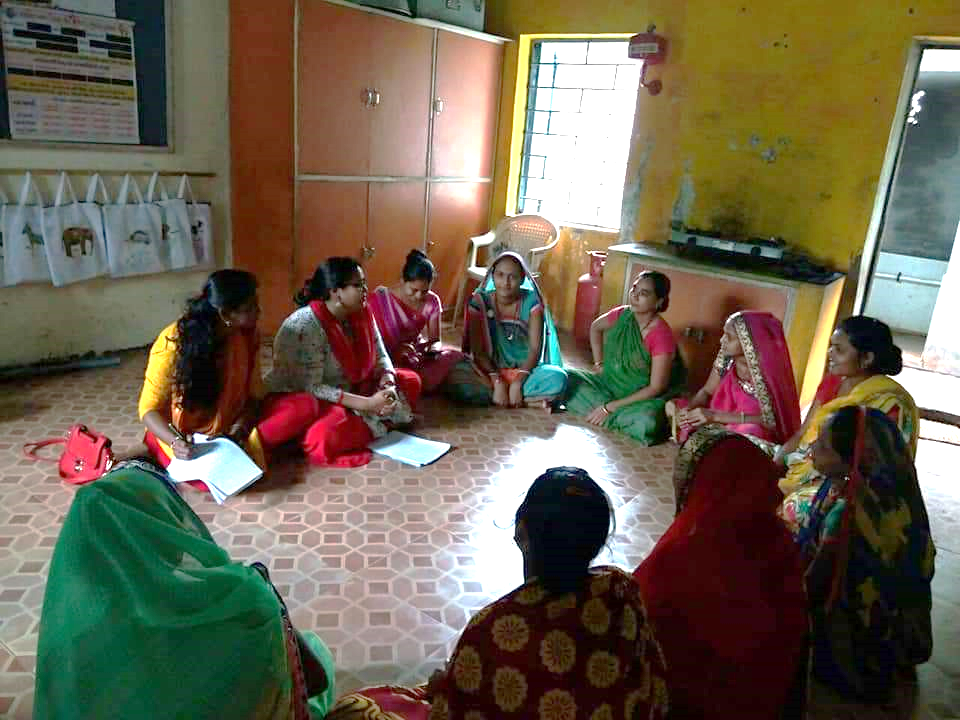
I have been working in the development sector for the last 15 years. I realised only a few years ago that women of reproductive age in many countries couldn’t exercise their right to abortion. Globally, 41 percent of women live under restrictive laws. Legal restrictions on abortion do not result in fewer abortions, instead they compel women to risk their lives and health by seeking out unsafe abortion care. In countries such as India, where abortion is legal under the Medical Termination of Pregnancy (MTP) Act since 1971, and is offered for a broad range of medical, social, economic reasons; awareness generation about legality of abortion and availability of safe and legal abortion can play an important role in prevention of morbidity and mortality related to abortion.
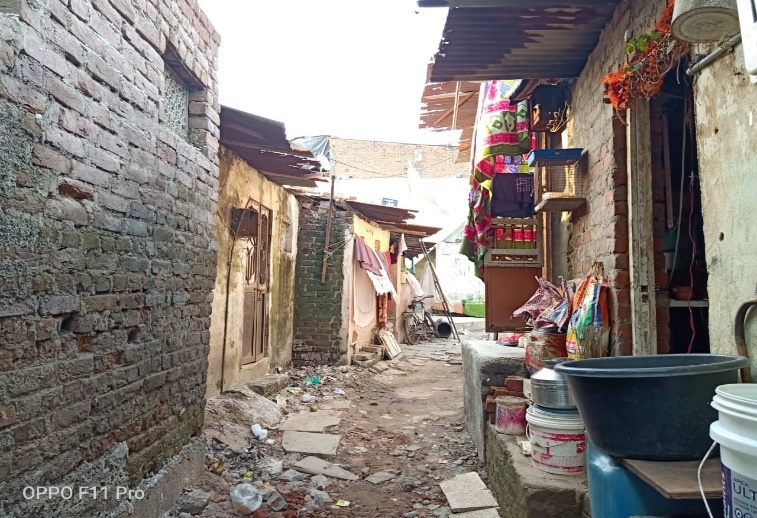
For the past one decade, I have been working for improvement of adolescents’ and women’s sexual reproductive health in economically disadvantaged localities (bastis) in Vadodara, Gujarat. We train women from bastis as health workers who among other things, reach rights based sexual and reproductive health information to their fellow resident women. I genuinely believe that if we want to bring positive change in health, especially sexual and reproductive health, we have to address perceptions of women – our intervention should be based on women’s existing knowledge and practices. For me, it has been very interesting to look at and understand women’s concepts and experiences of abortion. In 2018 we did a small study in the bastis of Vadodara to explore women’s perceptions, treatment seeking and experiences with the health system.
I have been working in the development sector for the last 15 years. I realised only a few years ago that women of reproductive age in many countries couldn’t exercise their right to abortion. Globally, 41 percent of women live under restrictive laws. Legal restrictions on abortion do not result in fewer abortions, instead they compel women to risk their lives and health by seeking out unsafe abortion care. In countries such as India, where abortion is legal under the Medical Termination of Pregnancy (MTP) Act since 1971, and is offered for a broad range of medical, social, economic reasons; awareness generation about legality of abortion and availability of safe and legal abortion can play an important role in prevention of morbidity and mortality related to abortion.
For the past one decade, I have been working for improvement of adolescents’ and women’s sexual reproductive health in economically disadvantaged localities (bastis) in Vadodara, Gujarat. We train women from bastis as health workers who among other things, reach rights based sexual and reproductive health information to their fellow resident women. I genuinely believe that if we want to bring positive change in health, especially sexual and reproductive health, we have to address perceptions of women – our intervention should be based on women’s existing knowledge and practices. For me, it has been very interesting to look at and understand women’s concepts and experiences of abortion. In 2018 we did a small study in the bastis of Vadodara to explore women’s perceptions, treatment seeking and experiences with the health system.
Though abortion has been legal for almost 50 years, half the women in the bastis where we work, were still unaware about this. Some women believed that abortion is a sin and that ‘God does not look favourably on people who do it’. This strong belief may have implications for abortion seeking and morbidity following the procedure.
Having ‘enough’ children already, son preference, unmarried status, rape, failure of contraceptives, and fear of a child born with disability were common reasons why women underwent abortions in the bastis where we work. Rarely did a woman say that she has ‘a right to her own body’ or a ‘right to make her own decision if she did not want to continue the pregnancy’. The situation was worse when an unmarried girl or a single woman got pregnant and wanted to terminate the pregnancy.
“…a girl only tells her mother if she thinks that her mother is ‘friendly’ otherwise the girl would be beaten up…unmarried girls are scared. They fear society (society’s reactions), the family is boycotted and many times even the boyfriend does not support her in such a case.”
Fear of social repercussions often influenced the actions taken by unmarried girls. They were often worried about ‘being responsible for dishonouring the family name’ and scared of reactions from family members. This was the main reason for unmarried girls with unwanted pregnancies running away from their homes or even committing suicide.
Due to social taboos and stigma around abortion, many women reported purchasing abortion pills directly from the chemist either by using old prescriptions from the doctor or even without any prescription. They felt that this made the abortion very accessible and helped protect their privacy as well.
“…It is so easy nowadays that if a woman undergoes abortion, even her neighbours would not know about it.”
Women used home remedies such as eating ‘hot’ foods like raw papaya, papaya seeds, pepper, ‘ukalo’ (a strong spicy brew), jaggery syrup and nutmeg (jaiphal) for inducing abortion.
Women who went to health facilities for terminating pregnancy, preferred private sector providers because they believed that private providers maintained confidentiality. Unmarried girls especially chose not to go to a doctor in the vicinity of their bastis as ‘there are chances that people from the basti will come to know’. These girls also preferred providers from the private sector rather than the public sector. Women from the minority community preferred to seek services at private facilities as they felt discriminated against at the government hospital.
“They are very suspicious about us. They look at us very strangely. We feel awkward…Lot of time is spent but less money is required.”
Other reasons why women selected private facilities were perceived competence of provider, satisfactory in-patient facilities, doctors performing the procedures, and lack of insistence on an accompanying person or need for repeated visit to receive the services.
According to women, ‘safe abortion services’ were more than abortion at either a public or private health facility. They included availability of in-patient facilities such as bed, nursing care, medicines, food and cleanliness, attentive doctor and regular follow up. With ‘safe abortions’ they expected that there would be no post abortion complications such as bleeding, irregular menstruation, complicated subsequent pregnancies or infertility.
Women believed that abortion adversely affected a woman’s body. It caused weakness, anaemia, aches and pains including pain in pelvic and vaginal area, swelling / inflammation of uterus, ulcers or lumps in/on the uterus, irregular menstruation and psychological problems with symptoms such as loss of appetite, ‘feeling loose’, not feeling well, etc. There was poor awareness about temporary methods of contraception such as condom, oral contraception pills, injection or IUDs and they held themselves responsible for unwanted pregnancies.
The decision to terminate the pregnancy was often made jointly with husband. However, in some cases the decision to terminate the pregnancy was by either the husband or the mother-in- law without the involvement of the woman indicating the strong patriarchal community where women have lower social status, lower access to resources and lower decision-making power even about their own bodies.
We believe that the exploratory study on urban low-income women’s perceptions and experiences provides us pointers for our intervention programmes. Firstly, women and girls need information about their bodies, what we call health literacy. This has to be embedded in perspectives of reproductive and sexual health and rights as well as gender. The taboos and stigma around women’s bodies and their reproductive health issues need to be countered through this kind of health and sexuality education. More specifically, women need information on the legality of abortion and relevant contents of the MTP Act, details of medical abortion and other safe abortion methods. We believe that we have to give special attention to young girls’ sexuality and abortion issues, so that they don’t feel alone and can access emergency contraception and safe abortion services, when they need them.
*Reference: An exploratory study report done by SAHAJ and CommonHealth on “Safe Abortion: Knowledge, perception and practices amongst urban poor women in Vadodara, Gujarat” in August 2018.
-

Victims twice over: Pregnancy due to sexual abuse and forced motherhood due to failed justice

The year 2017 marked a watershed in my four decades or so as a women’s health advocate and a firm supporter of women’s right to safe abortion services. This was the year when several child rape survivors approached the courts for access to safe abortion services for pregnancies exceeding 20 weeks of gestation.
The first of these, covered widely in the media, was the case of a 10-year old child from Chandigarh who had been raped by her uncles. I followed the events on the newspapers and through information shared by those who were doing all they could to pull together the medical evidence needed to convince the Supreme Court that an abortion was in the best interests of the child. All in vain. The 10 year-old was forced to deliver a child, but did not know that she had delivered a child. All she was told was that she had undergone a stomach operation.
Another case from Mumbai soon followed. A well-known obstetrician-gynaecologist was denied permission by the Mumbai high court to conduct an MTP procedure on a 12-13 year old whose pregnancy had surpassed 20 weeks of gestation. The child was further traumatised because she had been removed from her parents and moved to an institution “for her own safety”, by the local Child Welfare Committee.
The third instance was closer to home, in Trivandrum, where I live. A 12 year old was raped by her 14 year old brother. The boy was arrested and the destitute single mother of the two, after going from pillar to post seeking an MTP for the girl, finally approached the Child Welfare Committee. The Child Welfare Committee said that an MTP was not possible because the pregnancy was beyond 20 weeks’ gestation. An advocate friend of mine filed a case in Kerala High Court and the court denied the abortion.
These instances shook me up very deeply. I could not reconcile myself to motherhood being forced on young girls barely entering their teens, and I started looking into the circumstances leading up to the denial of MTP to child rape survivors.
Let me clarify before I go on, that the judgements by the Courts with regard to permission for MTPs beyond 20 weeks of gestation have included both positive and negative outcomes. According to a report by the Pratigya Campaign for Gender Equality and Safe Abortion, of the five cases of child rape survivors seeking permission for MTPs in the Supreme Court during 2016-18, three were allowed and one was denied. During the same period, 12 of 78 petitions in various high courts of India, all involving pregnancies following rape of minors, were rejected [1]. Thus, only a small proportion of petitions to the Courts are rejected. All the same, I would like to describe the untold suffering that every one of them have to experience, and the injustice of the denial of MTPs to children who have already experienced the trauma of sexual violence.
To begin with, the child rape survivor often does not immediately (or ever at all) link the sexual violence with the absence of menstrual periods, and with being pregnant. She may not be aware of the connections at all, or may be having irregular periods at this early stage following menarche, that she may not miss her periods. If she does realise something is wrong, she may be too scared to share this with her mother or any grown-up. When someone realises that the girl may be pregnant, it is usually well past the first trimester.
When the parent(s) approaches a medical professional for the girl’s MTP, the first hurdle is the requirements under POCSO. The medical professional insists on reporting the matter to the police, and if the parent(s) refuses to file a case, MTP is usually denied [2]. In instances where a case has already been filed, the second hurdle is non-availability of second-trimester abortions in most government health facilities except at the level of medical college hospitals. By the time the child rape-survivor reaches a tertiary-care facility for an MTP, she may be close to 20-weeks of gestation. The third hurdle is delays at the tertiary care hospital in providing an MTP, resulting in the girl crossing the legally permissible gestational limit for MTP. This then, is the tortuous process that the child rape survivor and her family has to go through, before they walk into a worse nightmare.
When the girl has crossed the legal gestational limit, most health facilities deny an MTP. In the best case scenario, the case is referred to the Courts. The Courts, in turn, appoint a Medical Board to advise them on whether the pregnancy poses a grave threat to the child’s health. The Medical Boards’ advise determines the final decision of the Courts.
In the Kerala case mentioned above, the report of the Medical Board, constituted of three doctors from a local medical college, stated, “the girl is a well-grown healthy adolescent girl. Considering the growth of the foetus, the opinion of the Medical Board was that termination of the pregnancy at this stage would be hazardous than going through a term delivery. If there is a forced medical termination of pregnancy, the girl may suffer permanent damages affecting her future life [3].” There is no evidence to back-up the claim that termination of pregnancy would be more hazardous than term-delivery, nor is it clear what is meant by ‘hazardous’ in this instance. The claim that forced MTP may damage the girl’s future appears perverse, especially when considering that the girl has been forced to deliver her own brother’s child, at the tender age of 13. It is impossible to understand the merit of the stance taken by the Medical Board, which appears to be grounded neither in scientific evidence nor in moral and ethical considerations.
It is important to note that the MTP Act does not state that medical boards are required. But it has become routine practice for the judiciary to rely wholly on the opinion of the Medical Boards. For example, the Kerala High Court states in its judgement denying MTP to the 12-year-old, “we have anxiously considered the Report. In view of the Report of the Medical Board, we cannot now accede to grant the relief in relation to medical termination of pregnancy [3].”
In some instances, the child is handed over to an institution till her delivery after the denial of MTP, or as soon as the rape is reported to the police, “for her own safety”. The child has to cope with an unfamiliar environment, not always friendly or considerate, with limited access to her parents or supportive family members. Very little is known about how they fare after the delivery and what happens to the child born to a child.
From what I have gathered through reading relevant documents and discussions with those engaged in legal advocacy, there are provisions within the MTP Act which could be interpreted in such a way as to spare child rape survivors this tortuous journey. Section 5 of the MTP Act states that the limit of 20 weeks may be relaxed if a single RMP under the MTP Act decides in good faith that the termination is necessary to save the life of the pregnant woman. A recent judgement by the Bombay High Court has clarified that “saving the life” in this instance need not be interpreted narrowly as preventing the death of a pregnant woman; and that it may be interpreted, as the Supreme Court had done in many instances when allowing for relaxation of the 20 week gestational limit, to include prevention of grave physical injury and mental trauma [4].
The 2019 Amendment Bill to the MTP Act of 1971 has many positives to its credit, such as permitting first trimester abortion on request by the woman, expanding the provider-base to include mid-level providers and raising the gestational limit for MTP beyond 20 weeks in cases of substantial foetal abnormality [5]. However, there does not seem to be any move to permit MTPs in child rape survivors irrespective of the period of gestation. There is sufficient evidence to show that late abortions, even up to the third trimester, are sought by the most vulnerable sections of women and girls, constitute at best about 1% of all abortions, and can be safely carried out by trained professionals [6-7].
This is a call for justice to the girl children involved. They do not deserve to become victims twice over – pregnancy due to sexual abuse and forced motherhood that entrenches the trauma for the rest of their lives.
References
- Rastogi A and Chandrashekar R. Assessing the judiciary’s role in access to safe abortion. An analysis of Supreme Court and High Court judgements in India from June 2016- April 2019. New Delhi, Pratigya Campaign for Gender Equality and Safe Abortion. 2019.
- Bose A. How India’s Most Important Law for Children’s Safety is Leading to Unsafe Abortions Among Teenagers. 23 October, 2019. Available at:https://www.news18.com/news/buzz/police-drama-or-unsafe-abortion-the-complicated-choice-for-pregnant-indian-teenagers-2359321.html. Accessed on 4 November 2019
- Judgement on Gopika Govindan vs. State of Kerala and others. Writ Petition WP ( C) No. 23225 of 2017 in the High Court of Kerala, Ernakulam, 17 July 2017. Paragraphs 2 & 3.
- Judgement on Sudha Sandeep Devgirkr vs Union Of India. Writ Petition No, 10835 of 2018 in the High Court of Judicature at Bombay. Available at: https://indiankanoon.org/doc/121687393/. Accessed on 4 November 2019.
- Draft Medical Termination of Pregnancy (Amendment) Bill, 2014. New Delhi, Government of India, Ministry of Health and Family Welfare, 29 October 2014. Available at: https://www.prsindia.org/uploads/media/draft/Draft%20Medical%20Termination %20of%20Pregnancy%20Amendment%20Bill%202014.pdf. Accessed on 4 November 2019.
- Raymond EG, Grimes DA. The comparative safety of legal induced abortion and childbirth in the United States. Obstetrics and Gynaecology. 2012;119(2 Pt 1):215-9. doi: 10.1097/AOG.0b013e31823fe923.
- Grimes DA. Who has late abortions – and why? 6 December 2017. Available at: https://www.huffpost.com/entry/who-has-late-abortions-and-why_b_6532684. Accessed on 4 November 2019.
-
Autonomy and Abortion Access
We need more girls to be born they say. We need to stop the ‘gendercide’ that is taking place across the world, they say. For social justice. For women’s rights. For human rights.
While this is a compelling argument when taken at face value, if we take a moment to examine it more closely, the true nature of the discourse becomes clear. It sounds as though it is for women’s rights but in reality is it putting restrictions on them, using the excuse of sex determination while doing so.
If we are to recognize safe abortion as a right for women to terminate an unwanted pregnancy, then we cannot sit in judgement of which reason for it being unwanted is acceptable to us or not. This is especially true when people are uncomfortable around what is called a ‘selective’ abortion, whether it is for the sex of the fetus or a disability.
One could say simplistically that every abortion is in fact a selective abortion! That particular pregnancy is being terminated because it is not wanted. It is being ‘selected out’ of the reproduction cycle for some reason.
But of course when we say ‘selective’ we mean selective for a specific reason. Usually nowadays it is understood to mean a pregnancy being terminated because of the sex of the fetus. In India for example this usually means the selecting out of the female fetus and the choosing of the male fetus to continue.
Both parts of this are important to recognize as selective choices but the discourse, politics, debates and publicity usually focusses only on the abortion which selects out the female fetus. It is this unbalanced approach that has led to the continued failure of various ‘rescue’ programmes as well as the increasing utilization of this as ammunition by the anti- choice groups.
By showing up one of the ‘choices’ as inherently immoral/ cruel/ unfair/ discriminatory, they hope to tar all abortions with the same brush. Choice is inherently a bad idea they seem to say because you ‘cannot trust women’ and ‘they will choose it all wrong’.
Translation: Women will choose things that society/ partriachy will not approve.
It is worth considering if there is ever any true choice? Most “choices” are a direct result of limitations arising from or expectation imposed by a range of conditions such as personal reasons, family reasons, economic reasons (e.g., potential jobs for women, lack of equal pay, lack of maternity benefits, the cost of education) or state policy (e.g., one-child or two-child family norms, military recruitment).
So why do we allow the discussion to focus on macro-level numbers (i.e., country-specific sex ratios) when we should really be addressing individual rights?
Does not the insistence on girl children being born push the burden on individuals while the there is no meaningful intervention taking place to eliminate the gender discrimination that leads individuals to make that choice in the first place?
The reality is that “choice” is not really exercised in a vacuum and the State can (and does) interfere with the reproductive freedom of individuals. If we want to ensure that women and couples do not choose to terminate a female fetus, we need to start addressing the reasons why the girl child is so unwanted.
We need to recognize that, like many other choices, this one is being made for the same economic reasons that drive so many others. A girl child is simply a financial liability in a patriarchal traditional culture that would not give that girl an equal opportunity in education, employment, earning capacity or support that would allow her to work after having children. Under this reality, the son basically operates as the old-age pension, social security and retirement plan rolled into one, and so the selection to have make children isn’t so much a “choice” after all.
Hence, long term strategies to address sex-selective abortion should address the lack of economic parity and gender equality first.
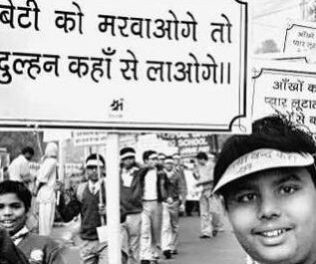
Ironically we find that the current rhetoric around the issue argues that– if girls are not born, how will the boys find brides?
It is appalling that such slogans have even been endorsed by government campaigns thus making it obvious that no one is making the link between sex determination as an expression of gender discrimination and the abysmal status of women.
Once again it bears repeating that those who find out it is a male fetus and choose to continue are also selectively choosing a reproductive outcome which is never penalized or even recognized as a selective act.
The entire issue of the sex ratio and the ‘imbalance’ is also something that is accepted at face value and never questioned. There are projections of violence against women, rape, polyandry – as though there is no exploitation and abuse in societies with a ‘good’ sex ratio! The underlying argument is also a bit of a threat – ‘If you don’t have more girl children, don’t blame us for what happens next. We warned you’.
We live in the same country that worships the Mother Goddesses, considers motherhood to be the highest attainable purpose of any woman’s life, where women are still being killed as witches[i], where dowry is illegal but still being given in different forms and where a woman can be Defence Minister as well as defenseless all at the same time.
It is worth noting that the British passed the Female Infanticide Prevention Act in 1870[ii] in India, a full 100 years before the MTP Act and 110 years before ultrasound machines were being used for sex determination.
All that technology has done is moved the active selection process earlier in the reproductive timeline. It has not created a demand for the male child that did not exist for thousands of years already. It did not create a secondary status for women and make them an economic burden. That was the socio-cultural complex along with the patriarchal constraints which make it difficult for girls to obtain equal education, equal job opportunities, paid maternity leave and equal pay for equal work.
We know that selective abortions are also undertaken when the fetus is diagnosed with a disability. Those are usually considered as acceptable because the recognition that such a child would be a burden to its parents and they should be allowed to choose a better life for themselves.
Surely the same argument is valid for parents of a female child when the sex of the child makes her a liability, economically and socially and culturally due to the existing norms?
So do we work to eliminate the discrimination or ‘save’ the fetus?
This blogpost is extracted from an article written by the author for Catholics for Choice , Conscience magazine where it was published as ‘A Wolf in Sheep’s Clothing’. It has been slightly updated and modified for this version. https://consciencemag.org/2018/08/31/a-wolf-in-sheeps-clothing/
[1] Dr. Dalvie is Member of CommonHealth, Coordinator of Asia Safe Abortion Partnership and Board Member of INROADS
-
Why do Indian women need safe abortion services?
Author: Bhuvaneswari Sunil, PhD
If this reading, kindles a spark in you to know more about women undergoing abortion, then you would decide to hear voices of women seeking abortion…But if you simply decide to blame women and abortion, you are at a loss of understanding reality…
For last five years I have worked on the issues related to safe abortion services for women. I want to share my experiences of working on the issue and a general story of why women undergo abortion and why many women need abortion, especially respectful, safe abortion services at the public health facilities.
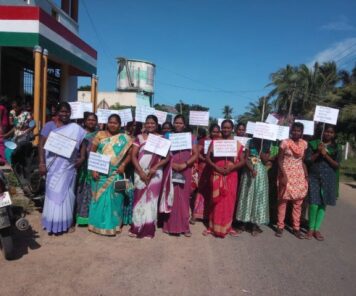
In India, currently the number of doctors, bureaucrats, leaders of civil society organisations (working in health sector) and even researchers who believe in women’s autonomy and their unconditional rights over their body and reproductive choices is small. While, they understand about women’s lived in realities and the importance for health services, there are several amongst them who are ambiguous about supporting induced abortion as a woman’s right. Whenever anyone mentions unconditional abortion rights of women, they argue, “What about sex selective abortions and missing girls?”, “Do women not know they will become pregnant and be responsible?”.
Even doctors, who are not totally against women’s right to abortion, often choose to deny services based on their own judgements and moral view of right and wrong about a woman and her pregnancy. This is precisely what happens when third parties are authorised to make decisions for others. It is important for providers and law-makers to understand why women seek abortion, need safe abortion services and their plight in absence of access to these.
While the prominence given to declining sex ratio is well placed, the role of induced abortion alone in the process has been undeservedly stressed and second trimester abortions have been maligned through media and by political forces. Induced abortion has been deemed as a major threat to the demographic composition of the nation and consequentially often perceived as an illegal, irresponsible act by the woman and her family who seek it and the provider who provides it. I do not deny that sex selective abortions are happening. But in my extensive field experience across these five years especially in Tamil Nadu, these as a proportion of overall induced abortions are few.
Author: Bhuvaneswari Sunil, PhD
If this reading, kindles a spark in you to know more about women undergoing abortion, then you would decide to hear voices of women seeking abortion…But if you simply decide to blame women and abortion, you are at a loss of understanding reality…
For last five years I have worked on the issues related to safe abortion services for women. I want to share my experiences of working on the issue and a general story of why women undergo abortion and why many women need abortion, especially respectful, safe abortion services at the public health facilities.
In India, currently the number of doctors, bureaucrats, leaders of civil society organisations (working in health sector) and even researchers who believe in women’s autonomy and their unconditional rights over their body and reproductive choices is small. While, they understand about women’s lived in realities and the importance for health services, there are several amongst them who are ambiguous about supporting induced abortion as a woman’s right. Whenever anyone mentions unconditional abortion rights of women, they argue, “What about sex selective abortions and missing girls?”, “Do women not know they will become pregnant and be responsible?”.
Even doctors, who are not totally against women’s right to abortion, often choose to deny services based on their own judgements and moral view of right and wrong about a woman and her pregnancy. This is precisely what happens when third parties are authorised to make decisions for others. It is important for providers and law-makers to understand why women seek abortion, need safe abortion services and their plight in absence of access to these.
While the prominence given to declining sex ratio is well placed, the role of induced abortion alone in the process has been undeservedly stressed and second trimester abortions have been maligned through media and by political forces. Induced abortion has been deemed as a major threat to the demographic composition of the nation and consequentially often perceived as an illegal, irresponsible act by the woman and her family who seek it and the provider who provides it. I do not deny that sex selective abortions are happening. But in my extensive field experience across these five years especially in Tamil Nadu, these as a proportion of overall induced abortions are few.