Category: Blog

  • Inside India’s March for Life (2025): A March Against Choice

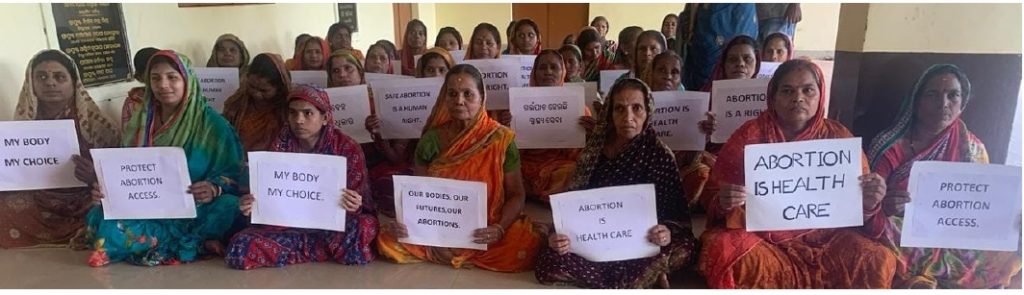
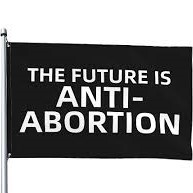
    On August 9, 2025, the Family Commission of the Archdiocese of Bangalore organized the fourth consecutive annual National March for Life at St. Francis Xavier’s Cathedral, centered on the theme “Every life is present, precious, and has a purpose”. The March for Life is a public demonstration organized annually on 10th August by the Catholic Charismatic Renewal International Services (CHARIS) India, coinciding with the anniversary of the Medical Termination of Pregnancy (MTP) Act, 1971. It is positioned as a campaign to “advocate for the right of the unborn to live” and to “commemorate the memory of children in the womb ever since abortion was legalized in India through the enactment of the MTP Act.” Through this march, organizers seek to build public support for the repeal of the MTP Act.

    Around 500 individuals gathered to voice anti-abortion messages. This event drew participation from young school students, accompanied by their school contingents, young adults, pregnant women, young couples, and members of the religious community. Participants from reputable universities across Bangalore, as well as youth groups from various social and religious backgrounds were represented. 

    The participation of school children accompanied by youth from ‘pro-life’ organizations who loudly repeated anti-abortion slogans with energy and enthusiasm was an alarming sight. It reflected a concerning strategy targeting children and young people to promote an anti-abortion stance. CommonHealth’s anti-choice mapping studies conducted in 2024 revealed at least eight anti-choice organisations, predominantly led by religious organisations, with some of these having overseas connections. In the research, it emerged that one of the organisations situated in Karnataka, working to prevent ‘genocide of female babies’, conducted ‘moral awareness programmes’ in colleges, reaching out to over 1,86,000 students in 11 districts of South India. The research highlighted such entities co-opting women’s rights and disability rights framework to bolster their agenda, framing abortion as a violation of foetal rights. 

    The event also framed the reproductive choice to seek abortion as a moral failing. They actively promoted the event on social media to reach a wider audience using reels with trending and catchy songs. In the plenary session leading to the march, there were remarks from leaders of other religious communities who endorsed the anti-abortion message of the march and registered their support for the  organisation that was leading this effort. This gave the impression of a shared collective stance against abortion and women’s reproductive rights.  The remarks echoed the life begins at conception sentiment and invoked how caste or creed should not be used as a means to perpetuate a pro-abortion stance, co-opting the language of equality, and discrimination. It also highlighted the need to prioritize the social and cultural aspect of the ‘pro-life’ stance and undermine the legality of permissible abortion – a direct attack on the existing Medical Termination of Pregnancy Act, 1971, and the guarantees it provides. 

    While the March for Life centers itself around anti-abortion messaging, it became clear that its ideological stance extends much further. The exhibition featured visuals like baby clothes cutouts and emotional placards, but some displays revealed a broader conservative agenda. One banner stood out “Love is not Love,” written in rainbow colors, followed by “Love is willing the ultimate of the other.” This appeared to be a subtle framing against LGBTQ+ rights, suggesting a broader ideological stance beyond abortion. Another Instagram post from March included a photo of a banner stating “God created Adam and Eve not Adam and Steve.” These messages suggest that the organizers are not only opposing abortion but also homosexuality, promoting a narrative that sexual relationships are solely for reproduction. Their Instagram page also features posts opposing contraception, indicating a deeper ideological opposition to sexual and reproductive health and rights (SRHR) as a whole.

    Glorifying motherhood and ignoring choice

    The event also featured a Life Conference where medical professionals and speakers shared personal testimonies. A practicing gynaecologist from Kerala opened the session by sharing stories of women who were advised to terminate high-risk pregnancies but ultimately delivered safely under his care. He expressed concern that doctors often recommend abortion due to fear of legal consequences when a child might be born with disabilities. His message appeared to encourage fellow medical professionals to “stand for life”.

    These stories ignored the complex realities of pregnancy. Not every high-risk case ends well, and not everyone can physically, emotionally or financially continue such pregnancies. Claims about health benefits from multiple pregnancies were shared without addressing the risks or with supported unreliable evidence. Most importantly, reproductive choices should be personal and not driven by ideology or generalizations
    In the plenary, a woman working as a domestic help shared her experience of undergoing multiple abortions, describing how she felt unsupported and unaware of her options at the time. After being exposed to “pro-life” narratives, she expressed regret over those decisions and spoke about raising eleven children. Her story was framed to suggest that abortion rights messaging is harmful to women’s emotional and physical well-being and that women are being “manipulated” in the name of rights.

    March for life ,2025

    Feminist perspectives, however, emphasize that reproductive rights are about choice and autonomy including the right to have children, or not and to decide when and how many.  In India, around 77% of unintended pregnancies end in abortion, but only 22% of these are considered safe. Unsafe abortion contributes to remain a serious public health concern contributing to approximately 8% of maternal deaths with an estimated eight women dying every day due to complications from unsafe abortion.

    Religious framing and the normalization of anti-abortion messaging

    Throughout the Life Conference, prayers and references to divine purpose were constant. Abortion was not simply discussed as a moral concern but it was framed as an absolute sin. Motherhood was portrayed not just as a personal choice but as a sacred duty, divinely assigned. This kind of framing is not just personal belief, it is a deliberate strategy used by many anti-choice and conservative groups to oppose SRHR (sexual and reproductive health and rights) and they continue to push this message in increasingly organized ways.

    CommonHealth study on anti-choice narratives in India observed this trend as well, documenting how such groups are strategically using religious morality and emotional storytelling to undermine reproductive rights. The scenario at the conference was a clear reflection of this.

    This kind of messaging is not confined to events like the Life Conference. A firsthand example comes from the author’s nursing graduation at a Christian missionary–run college. Over four years, we attended multiple “pro-life” seminars. Even in regular classes some doctors went out of their way to emphasize that, as future health professionals we should “stand against abortion.” During one community visit, we met a family with six children struggling to make ends meet who were provided with small incentives for avoiding contraception and abortion. This pro-natalist ideology, which glorifies motherhood and pushes women to produce more children makes it harder to uphold bodily autonomy and resist hetero-patriarchal values.

    We see these ideas reinforced in mainstream media as well. Popular mainstream films have long portrayed abortion-seeking women negatively, career-oriented women shown as selfish (Aitraaz, 2004), young women characterized as immature or naive (Kya Kehna, Salaam Namaste), sexual freedom depicted as a moral error, and abortion framed as ruining one’s future opportunities (Zeher, Aitraaz). These narratives reinforce stigma and limit reproductive freedom.

    Yet, evidence shows that abortion can be life-affirming. For many marginalised individuals, especially transmasculine people and trans men experiencing dysphoria, abortion is a life-saving intervention. My Abortion Lifeline by CommonHealth documents 29 narratives of young people, mothers, migrant workers, rural women, widows, and supportive allies. These stories show how reproductive justice is inseparable from dignity and freedom.

    Even though such marches and mobilizations have brought together multi-religious, intergenerational participation and have articulated strong critiques of existing laws, they often trigger intensified lobbying from anti-choice groups, legal challenges, and renewed public debates. This makes it all the more important to continue resisting by centering the lived experiences of diverse abortion seekers and pregnant people who still face stigma and systemic barriers to accessing dignified, safe services.

    Authored by: Megha Sethu, Commonhealth
    (With inputs from Kruthika R, Center for Reproductive Righ
    ts)


  • Catalysing Choice: Behavioral Interventions for Reproductive Autonomyand Abortion Rights Advocacy

    One afternoon at work, I received a frantic call from a woman I knew well, and her panicked
    tone immediately set off alarms. She asked, “I don’t want to continue this pregnancy, but the
    doctor insists that I have to. Is abortion illegal?” This woman, a domestic worker who had been
    with my family for years and someone I deeply cared about, had endured the trauma of a
    stillbirth just a year before. This time, concerned about her health, she did not wish to proceed
    with the pregnancy. Yet, instead of offering support, the doctor harshly reprimanded her, urging
    her to embrace motherhood.
    A few months later, a friend reached out, asking if I knew of a compassionate gynaecologist in
    my hometown. She shared the story of a distant friend, a young college student, who was told
    by a doctor that a medical abortion would cost one lakh rupees, despite she being only a few
    weeks pregnant. The stigma surrounding abortion meant the girl couldn’t seek help from her
    family and had to rely on her friend instead. Together, they found a more understanding doctor,
    and the girl spent the weekend in a guesthouse while taking the abortion medication.
    Reflecting on these incidents, I realized that even in Assam’s most urban city, both a 30-yearold
    woman and a young woman in her early twenties, from different socio-economic
    backgrounds, encountered significant barriers to exercising their reproductive rights, especially
    the right to safe abortion. This led me to pursue advocacy for abortion rights, working with
    parliamentarians and civil societies as part of my role as a Safe Abortion for Everyone (SAFE)
    Fellow at The YP Foundation. In this article, I’ll analyse the issue from a commentator’s
    perspective.
    As Martin Luther King Jr. poignantly noted, “Of all the forms of inequality, injustice in health
    is the most shocking and inhumane.” At the heart of reproductive autonomy is a woman’s right
    to make decisions about her own body and reproductive choices, which is central to her
    fundamental rights to equality and privacy.i Yet, globally, only 35% of women of reproductive
    age live in countries where abortion is available on request.ii In India, the high rate of unsafe
    abortions and resulting maternal mortality in the 1960s prompted lawmakers to pass the
    Medical Termination of Pregnancy Act (MTP Act) in 1971.

    However, despite being in effect for over five decades, India’s abortion law has fallen short in
    guaranteeing reproductive autonomy. One of the biggest challenges is the lack of awareness and
    sensitivity among key stakeholders, limiting widespread access to safe abortion services. A
    recent study by the Foundation for Reproductive Health Services India (FRHS India) found that
    one-third of women interviewed did not consider abortion a health right, and only 40% were
    aware of the legality of abortion under the MTP Act.iii This lack of awareness often leads to
    delays in seeking care, resulting in more advanced pregnancies when abortion options become
    increasingly limited.iv A 2018 study in Assam and Madhya Pradesh revealed that 62% of
    women surveyed viewed abortion as a “sin”vi

    Often, a significant proportion of abortion cases are self-managed abortions (SMA) at home,
    reflecting women’s hesitation to access safe services due to the deeply ingrained stigma
    surrounding abortion in a patriarchal society. SMAs are more common among women with less
    education, those from rural areas and lower socio-economic backgrounds, and adolescent
    girls.vii This disparity in access to safe abortion based on socio-economic background is further
    supported by data from the NFHS-5 (2019-21). Abortion rates in urban areas (4%) are higher
    than in rural areas (2.5%). Only 1.7% of women from the lowest wealth quintile access abortion
    services, compared to 4.1% from the highest quintile. Women’s education is also a crucial
    factor, with a 3.4% abortion rate among those with higher education and 1.9% among those
    with no schooling. These statistics highlight the persistent inequality in abortion access and
    raise questions about the efficacy of the MTP Act.viii

    Access to safe abortion is significantly influenced by the attitudes of service providers. While
    abortion is legal in India, this does not guarantee that healthcare providers fully support
    reproductive choice. There are instances where providers refuse to perform abortions during
    first pregnancies, citing exaggerated concerns about infertility or potential risks to the woman’s
    health. Some providers overemphasize the dangers of bleeding and encourage surgical abortions
    over medical abortion pills. Women with multiple children are often told that they can only
    obtain an abortion if they agree to sterilization or the insertion of a Copper-T. Additionally,
    some providers still insist on obtaining the husband’s consent, despite this not being a legal
    requirement.ix Laws such as the Protection of Children from Sexual Offences (POCSO) Act of
    2012 and the Pre-Conception and Pre-Natal Diagnostic Techniques (PCPNDT) Act of 1994
    further complicate access by introducing criminal liability for providers.x Despite efforts by the
    Supreme Court to clarify and expand the scope of the Medical Termination of Pregnancy
    (MTP) Act, providers’ personal biases, often shaped by social and cultural norms, continue to
    create barriers to reproductive autonomy.

    To ensure broader access to safe abortion, it is essential to bridge the gap between policy and
    practical implementation. The first step is to establish a sustainable mechanism to raise
    awareness across the country about the legal right to safe abortion. The government should
    launch awareness programs aimed at fostering behavioural change, particularly among
    marginalized communities, empowering them to challenge abortion stigma and exercise their
    reproductive rights. Research has shown that Behaviour Change Communication (BCC)
    interventions can effectively enhance knowledge and improve attitudes toward abortion in areas
    where misinformation limits access to safe services.xi

    For a BCC intervention to be sustainable, the initial focus should be on understanding the target
    community’s beliefs and societal attitudes around motherhood. Once the community’s socioeconomic
    context is fully understood, tailored communication strategies—whether highintensity
    or low-intensity—should be deployed to raise awareness about reproductive rights.
    High-intensity BCC efforts should include interpersonal discussions, community meetings, and
    interactive activities to engage adolescent girls and women from various communities. To
    ensure long-term impact, women from these communities should be trained as advocates for
    abortion rights.
    Low-intensity BCC models can use various media such as wall signs, banners, posters, and
    community intermediaries. Frontline workers should be trained to share information about the
    legality and accessibility of abortion services, the risks of unsafe abortions, and the availability
    of safe alternatives. Additionally, they should be equipped to refer women to nearby health
    facilities for safe abortion services.xii
    Equally critical is training medical practitioners to overcome biases and provide accurate, nonjudgmental
    information to those seeking abortions. Regular workshops should cover not only
    the bio-medical aspects of abortion but also gender rights and the socio-cultural issues related to
    abortion. Medical education materials should address the social stigma and myths surrounding
    abortion, helping healthcare providers reflect on and challenge their own prejudices.
    Ensuring that all stakeholders in the abortion process—providers, communities, and
    advocates—are well-informed about the procedure, its legality, and the importance of dispelling
    myths is the key to making safe abortion services accessible to all pregnant persons across the country.

    References
    i UN General Assembly, International Covenant on Civil and Political Rights, 16
    December 1966, United Nations, Treaty Series, vol. 999, p. 171, available at:
    https://www.refworld.org/docid/3ae6b3aa0.html
    ii Center for Reproductive Rights. (2023, December 20). The World’s Abortion Laws – Center
    for Reproductive Rights. https://reproductiverights.org/maps/worlds-abortion-laws/
    iii Choudhuri, Debanjana, Ashutosh Kaushik and Alok Shrivastav. “Medical Termination of
    Pregnancy Act 2021: A Study to Understand Awareness.” Foundation for Reproductive
    Health Services India, December 2022.
    iv Assifi, A., Kang, M., Sullivan, E., & Dawson, A. (2020). Abortion care pathways and
    service provision for adolescents in high-income countries: A qualitative synthesis of the
    evidence. PLOS ONE, 15(11),
    e0242015. https://doi.org/10.1371/journal.pone.0242015
    v International Institute for Population Sciences (IIPS) and ICF. 2021. National Family Health
    Survey (NFHS-5), 2019-21: India. Mumbai: IIPS.
    vi Improving knowledge and care seeking behaviour of young women for sexual and
    reproductive health in Assam and Madhya Pradesh: Results of the endline community
    assessment. Ipas Development Foundation. 2021.
    vii Malik, M., Girotra, S., Zode, M., & Basu, S. (2023). Patterns and Predictors of Abortion
    Care-Seeking practices in India: evidence from a nationally representative Cross-Sectional
    Survey (2019-2021). Cureus. https://doi.org/10.7759/cureus.41263
    viii International Institute for Population Sciences (IIPS) and ICF. 2021. National Family
    Health Survey (NFHS-5), 2019-21: India. Mumbai: IIPS.
    ix Bhate-Deosthali, P., & Rege, S. (2019). Denial of safe abortion to survivors of rape in India.
    PubMed, 21(2), 189–198. https://pubmed.ncbi.nlm.nih.gov/31885448
    x Chandra, A., Shree, S., & Satish, M. S. M. (2021). Legal barriers to accessing sage
    abortion services in India: A fact finding study. National Law School of India
    University.
    xi Banerjee, S. K., Andersen, K., Warvadekar, J., & Pearson, E. (2013). Effectiveness of a
    behavior change communication intervention to improve knowledge and perceptions about
    abortion in Bihar and Jharkhand, India. International Perspectives on Sexual and
    Reproductive Health, 39(03), 142–152. https://doi.org/10.1363/3914213
    xii Ibid.

  • The Silent Struggles of Migrant Women: A Hidden Crisis in Reproductive Health

    The Silent Struggles of Migrant Women: A Hidden Crisis in Reproductive Health

    Ann Maria Anil, Researcher

    In Kerala, a state often lauded for its progressive social and health indicators, a silent yet significant crisis affects migrant women workers. They face major barriers in accessing sexual and reproductive health (SRH) services. Despite migrant women making up nearly half of the migrant population, as indicated by the 2011 Census, whether due to employment, marriage, or associational migration, their specific experiences and challenges remain largely undocumented and overlooked. This invisibility deepens their vulnerability, hindering effective interventions in SRHR services, including access to safe abortion.

    As part of the Safe Abortion For Everyone (SAFE) Fellowship with The YP Foundation, in-depth interviews were conducted with women migrant workers from West Bengal, Odisha, and Bihar, employed in sectors such as beauty and wellness, tailoring, and more. These interviews were followed by a focus group discussion with healthcare professionals and ASHA workers at a government hospital in Pathanamthitta. The goal was to understand the significant challenges migrant women face in accessing safe abortion services, contraceptives, and reproductive health information in Kerala. Below are some key findings from the study. For reasons of privacy and confidentiality, the names of all respondents have been changed.

    Swastha, a beauty salon worker in Pathanamthitta, married and became pregnant as a minor. Despite the pregnancy being unplanned, cultural stigma and family pressure prevented her from seeking an abortion, ultimately forcing her to give up her aspirations. Her experience reflects the struggles faced by many migrant women, who have limited autonomy over their reproductive choices and are often pressured into continuing pregnancies they neither planned nor wanted. Nadia, a Muslim migrant worker, faces similar challenges, compounded by language barriers and cultural and religious norms. Unable to easily access reproductive healthcare, she stocks up on six months’ worth of contraceptives from her home state of West Bengal or relies on acquaintances to procure them. This workaround highlights the systemic barriers migrant women encounter in accessing basic healthcare services, deepening their vulnerability.

    The Medical Termination of Pregnancy (MTP) Act of 1971 stipulates that only the consent of the person seeking the abortion is required. However, even in government hospitals, family consent is often demanded, fostering a judgmental environment and increasing the risk of family members becoming aware. While private clinics offer more discretion, they remain largely unaffordable for many. Societal taboos around reproductive rights further limit access to essential healthcare. Most migrant women lack access to rights-based information on reproductive health and safe abortion services, often relying solely on their mothers or close female friends for guidance. As a result, many resort to self-administering abortion-inducing medications, which frequently leads to health complications such as heavy bleeding, incomplete abortions, and in extreme cases, death.

    In conversations with nurses at a government hospital in Pathanamthitta, it became apparent that they mistakenly believed abortion in India was only legal for minors or survivors of sexual violence. Despite Kerala’s high literacy rates, healthcare providers often misunderstand or are reluctant to adhere to the provisions of the MTP Act. Personal and religious biases frequently lead healthcare professionals to deny abortions, even when legally permissible. This highlights the urgent need for gender-sensitive and diversity-focused training for healthcare providers, ensuring they can better support vulnerable populations across caste, gender, religion, and including migrant women.

    It was also found that ASHA workers, who play a critical role in bridging healthcare gaps and delivering services, engage directly with migrant families to provide essential health information and build trust. However, due to being overworked, underpaid, and burdened with multiple responsibilities, ASHAs are often unable to make SRHR information—especially regarding abortion—easily accessible.

    Language barriers, systemic challenges, lack of proper documentation, and unfamiliarity with healthcare laws and schemes further isolate migrant women from Kerala’s otherwise robust public health system, increasing their vulnerability to unsafe abortion practices and other sexual and reproductive health issues.

    Although Kerala has introduced initiatives like the ‘Athidhi Portal’ for migrant worker registration, ‘Apna Ghar’ for safe, affordable housing, and the ‘Awaz Health Insurance Scheme’ (AHIS), awareness of these programs among migrants remains low. To address this gap, targeted interventions such as SRHR-focused local health camps, multilingual IEC materials, and integrating SRHR into local governance structures are essential. Additionally, promoting gender-sensitive and diversity-focused training for healthcare professionals is crucial to ensuring inclusive healthcare access.

    In conclusion, for Kerala’s policies and healthcare system to be truly effective, they must prioritize reproductive justice and safe abortion access, especially for marginalized groups like migrant women. Expanding awareness and embedding SRHR within these frameworks will foster a more equitable and comprehensive approach to healthcare.

  • Unmasking Anti-Choice Rhetoric

    Unmasking Anti-Choice Rhetoric

    Unmasking Anti-Choice Rhetoric

    Vinitha Jayaprakasan & Ragini Bordoloi, CommonHealth, India

    “Abortion is an ocean of endless Sorrow”

    “Do not abort the innocent unborn”

    “Pro-Science. Pro-Woman.  Pro-Life.”

    Over 150 to 200 individuals gathered at Delhi’s Jantar Mantar to protest the Medical Termination of Pregnancy (MTP) Act on its 50th anniversary in 2022. The protest, led by young activists and religious groups from Goa, Kerala, Delhi, and Maharashtra, marked the start of anticipated anti-choice demonstrations. Following the U.S. Supreme Court’s June 2022 decision to overturn Roe v. Wade, global anti-gender and anti-rights movements gained momentum. This was fuelled by rising right-wing populism and declining support for human rights and created a supportive environment for transnational alliances, including in India. Alongside the “March for Life” protest, the group Cry for Life filed a petition with the Kerala High Court challenging the MTP Act. Although initially dismissed, the case was appealed to the Supreme Court.

    March for Life, 2023

    Opposition to sexual and reproductive health and rights (SRHR), particularly regarding abortion, has long persisted in India. However, to gauge whether this recent surge represents a coordinated and calculated effort, warranting scrutiny and concern, CommonHealth embarked on studies examining both the digital landscape and grassroots community dynamics. A media scoping study identified at least eight anti-choice entities shaping public opinion against abortion in India. Predominantly led by religious institutions, particularly Christian missionaries, some of these organizations have international connections, indicating broader transnational influence. They focus on promoting the rights of the foetus and have strategically adopted a human rights framework to bolster their anti-abortion stance, similar to strategies seen in the Global North. These groups argue that life begins at conception, framing abortion as a violation of foetal rights.

    Additionally, certain organizations have strategically incorporated disability rights into their discourse, accentuating the value and dignity of every life, irrespective of disabilities. They use emotive narratives to humanize the foetus and share success stories of privileged, English-speaking couples who chose to continue their pregnancies. However, their discourse often neglects the core issues of disability rights, despite borrowing from this movement’s principles of inclusivity and equality.

    Social media platforms have become fertile grounds for the dissemination of misinformation concerning SRHR, including pseudo-scientific claims about abortion’s risks. One organization’s website falsely links abortion to increased breast cancer risk, decreased fertility, developmental issues or disabilities in children, and various health conditions such as menstrual disorders, backaches, and cervical and ovarian cancer. By using medical professionals as spokespersons, these claims gain undue credibility and instill fear and doubt surrounding decisions related to abortion. In Kerala, CommonHealth members have reported a rise in such misinformation,  prompting calls for increased efforts from SRHR advocates to counteract it with factual information.

    In Kerala and the North-eastern states, anti-choice accounts have also propagated hate speech and violence against the transgender and queer communities, leading to the translation of online hostility into real-world discrimination and violence. Furthermore, it is troubling to observe that anti-choice organizations have been effectively brainwashing and increasing support from the younger demographic. They achieve this by conducting workshops in schools and colleges and organizing memorial services for what they term the ‘unborn children’. These entities manipulate data, such as the findings from the Global Lancet study reporting 15.6 million abortions, equating it to the murder of unborn children. This deliberate misinterpretation serves to further their agenda and influence impressionable minds, perpetuating misconceptions and stigmatizing abortion. On social media, these groups glorify pregnancy and demonize abortion, creating stigma and misinformation that hinder access to essential reproductive health services and support.

    Systemic gaps further contribute to the proliferation of anti-choice narratives. Initiatives such as PCPNDT and ‘Beti Bachao, Beti Padhao’, which are actually around deterring sex selection and son preference have unwittingly contributed to the demonization of abortion, further exacerbating the stigma surrounding the procedure. The lack of support within the health system leads to challenges such as doctors charging exorbitant fees or refusing services, especially affecting vulnerable populations. Participants in regional meetings have reported instances of private doctors charging Rs 3500 for a medical abortion and as much as Rs 45000 for a surgical abortion. Furthermore, gynaecologists are reportedly hesitant to provide abortion services, even for rape survivors, reflecting a broader reluctance within the medical community to openly support abortion access. In many cases, doctors demand additional payment to provide these services, further obstructing access to safe and legal abortion care. Recent court rulings incorporating foetal rights language add to these concerns.

    On this International Day of Action for Women’s Health, it is imperative to prioritize advocacy for universal access to safe abortion. Amidst escalating anti-choice narratives, centering abortion in discussions on sexual and reproductive health and rights (SRHR) in both discourse and policymaking is crucial. The prevailing narrative that stigmatizes abortion as shameful and sinful, impeding pregnant individuals from exercising their reproductive autonomy, must be vigorously challenged. It is essential to reconceptualise abortion as a life-saving decision that can yield positive outcomes for those who undergo it.

    Lastly, feminist movement spaces need to adopt targeted strategies to elevate the voices and experiences of marginalized groups that are disproportionately impacted by anti-choice discourse. This includes queer individuals, caste and religious minorities, sex workers, people with disabilities, and young unmarried individuals. By centering the narratives of these marginalized communities, the feminist movement can effectively advocate for inclusive and equitable access to safe abortion for all, and mobilize them in critical times of threats and opportunities.

  • Adding Insult to Injury: Denial of Medical Termination of Pregnancy to Child Survivors of Sexual Violence or Abuse

    Adding Insult to Injury: Denial of Medical Termination of Pregnancy to Child Survivors of Sexual Violence or Abuse

    Adding Insult to Injury: Denial of Medical Termination of Pregnancy to Child Survivors of Sexual Violence or Abuse

    Dr. Sundari Ravindran, CommonHealth

    In a recent judgement, the Kerala High Court disallowed permission to terminate the third-trimester pregnancy of in a 12-year-old girl who had been impregnated by her minor brother. The parents of the girl had approached the Court seeking the termination of the girl’s pregnancy on the ground that going through the child delivery would cause ‘cataclysmic consequences’ to the girl’s physiological and psychological condition. The Court ordered the Superintendent of the Government Medical College to constitute a Medical Board to examine the girl. Within two days, the Medical Board produced its opinion. The Medical Board reported the pregnancy to be of 34 weeks’ gestation based on Ultrasonography. The Medical Board recommended pregnancy termination:

    Considering the tender age and psychological trauma, the medical board has opined for termination of pregnancy.” (WP (C) 42678 of 2023, paragraph 4).

    The report further observed that the mother was at risk of complications inherent in the procedure of termination, and the foetus was also at risk of morbidity and mortality as inherent due to prematurity.

    The Court took the view that the report was unclear and had an interaction with members of the Medical Board on the same day. The Medical Board was requested to examine the girl once again and submit a revised report within the next two days. The Medical Board’s revised report changed its stance and observed that

    Continuation of pregnancy for another 1-2 weeks till 36 weeks is unlikely to seriously affect the psychological wellbeing of the mother. It will also help in improving the overall outcome of the baby. So we recommend to continue the pregnancy and deliver by 36 weeks…We recommend Caesarean section rather than vaginal delivery because it is having lesser psychological impact for the girl” ((WP (C) 42678 of 2023, paragraph 6).

    Based on the Medical Board’s report, the Court rejected the request of the petitioners for medical termination of the 12-year-old’s pregnancy. It observed “this is not a case where termination of pregnancy is an option” on the grounds that the foetus was of 34 weeks’ gestation and fully developed, and that “Termination of pregnancy at this point is not tenable, if not impossible; and obviously, therefore, the child will have to be allowed to be born.” (WP (C) 42678 of 2023, Paragraph 10)

    The 12-year-old girl from Kerala thus joined the ranks of many other child-mothers let down by the medical and judicial systems of the country, to live a life of untold suffering.

    The judgement has significant physical and mental health consequences for the child-mother and the child she will give birth to. Carrying a pregnancy to full term carries higher risk of death, serious pregnancy complications, and life-long afflictions such as obstetric fistula, a hole in the birth canal that causes urine and/or faeces to leak into the vagina[1][2]. This is because a child’s pelvic bones and spine are not developed enough to carry the weight of a pregnancy without damage. The cervix and birth canal are far too narrow, and a vaginal delivery would run a serious risk of obstructed labour. Experiencing sexual abuse in childhood per se is associated with a wide range of psychiatric outcomes, including post-traumatic stress disorder (PTSD) and schizophrenia[3].

    Children born to girls in early adolescence are more likely to be born pre-term or small for gestational age, have low-birth weights, and also have a higher probability of dying within the first month of birth1. Children born to mothers who have experienced sexual abuse may be affected by their mothers’ being less sensitive and available and at times, hostile in their interaction with their children[4]. Studies also show that in the aggregate, unwanted children run an increased risk for negative psychosocial development and mental well-being in adulthood[5].

    Previous judgements in cases of third trimester abortion have recognised the potential negative consequences of denial of abortion. For example, in a case very similar to the present one, of a 13 year old girl made pregnant by her sibling, the Court allowed termination of a pregnancy of 26 weeks gestation, and observed:

    In the instant case, the pregnancy is that of a minor girl of 13 years. The said pregnancy will cause a grave injury to the minor which will remain a scar throughout her life. It may even have the possibility of reminding the victim of the incident of rape. It is obviously not in the interest of the society to have this young victim to undergo the trauma of the incident of rape every day in her life. The anguish that the pregnancy causes to her will be lifelong and she may have to live with the traumatic experience throughout her life. The parents and the siblings will also have to share this trauma throughout their lives… The young age of the victim, the consequences pregnancy will force upon the victim, her parents and even the unborn child are matters which this Court cannot ignore.  (W.P. (C ) No. 9982 of 2021 paragraphs 11&12).

    As recently as in May 2023, a 15-year-old girl made pregnant by her sibling was permitted to terminate her pregnancy at 32 weeks of gestation. The judgement states that


    [1] WHO (2023). https://www.who.int/news-room/fact-sheets/detail/adolescent-pregnancy. [2]  UNICEF (2024). https://data.unicef.org/topic/child-health/adolescent-health/ [3] Hailes, H. P., Yu, R., Danese, A., and Fazel, S. (2019). Long-term outcomes of childhood sexual abuse: an umbrella review. Lancet Psychiatry 6, 830–839. doi: 10.1016/S2215-0366(19)30286-X [4] van Ee E, Blokland J. Bad Blood or My Blood: A Qualitative Study into the Dimensions of Interventions for Mothers with Children Born of Sexual Violence. Int J Environ Res Public Health. 2019 Nov 29;16(23):4810. doi: 10.3390/ijerph16234810. PMID: 31795508; PMCID: PMC6926844. [5] David HP. Born unwanted, 35 years later: the Prague study. Reprod Health Matters. 2006 May;14(27):181-90. doi: 10.1016/S0968-8080(06)27219-7. PMID: 16713893.

    Considering the fact, the child is born from her own sibling, various social and medical complications are likely to arise. In such circumstances, the permission as sought for by the petitioner to terminate the pregnancy is inevitable (W.P. (c ) No. 15534 of 2023, paragraph 5).

    There are several similar examples from other courts in India.

    In view of previous judgements favouring the termination of pregnancies in the third trimester in girls in very similar circumstances, the question then arises whether the Court had no option but to deny the termination because, (as noted in the judgement) ‘termination of pregnancy of 34-week gestation is not tenable, if not impossible?’

    A review of the scientific literature on this topic shows that late third-trimester pregnancy terminations, while rare, are not impossible and may be carried out safely by skilled professionals. In a 2014 study from the USA reporting on the termination of more than 500 third-trimester pregnancies for reasons of gross foetal anomaly, the complication rate was less than 0.5%[6] (Hern 2014). In 2017, when the case of a 10-year-old pregnant girl from Chandigarh seeking MTP was being heard in the Supreme Court, activists and lawyers from India, including this author, were gathering all available medical evidence on the safety of third-trimester abortions. Three US-based obstetrician gynaecologists wrote an open-letter to be produced as part of the evidence to the Court, in which they stated unequivocally, that

    It is unlikely that medical termination of pregnancy poses more risk than ongoing pregnancy and term delivery, and in fact the converse maybe true.[7].

    The 2021 Amendment to the MTP Act allows pregnancy termination at any stage in pregnancy when the Medical Board diagnoses substantial foetal abnormalities. This would imply that pregnancy termination at later gestations is feasible and safe. In fact, the recent safe abortion guideline of the World Health Organization, after careful consideration of scientific evidence, recommends against laws and other regulations that prohibit abortion based on gestational age limits[8]. Medical as well as judicial decisions on medical terminations of pregnancy in the third trimester need to be sensitive to the barriers that impede an adolescent’s abortion seeking. A review that examined petitions seeking MTPs post 20 weeks found that a majority, especially those under 18 years, did not realise that they were pregnant till late in pregnancy because


    [6] Hern WM. Fetal diagnostic indications for second and third trimester outpatient pregnancy termination. Prenat Diagn. 2014 May;34(5):438-44. doi: 10.1002/pd.4324. Epub 2014 Feb 27. PMID: 24424620; PMCID: PMC4238813. [7]  Open letter dated 1 August 2017, signed by – Lisa Harris, MD, PhD, F Wallace and Janet Jeffries Professor of Reproductive Health,University of Michigan, Department of Obstetrics and Gynecology, Ann Arbor, Michigan(in a personal capacity); – Daniel Grossman, MD, Professor, Department of Obstetrics, Gynecology andReproductive Sciences, Director, Advancing New Standards in Reproductive Health(ANSIRH), Bixby Center for Global Reproductive Health, University of California, SanFrancisco, USA; – Shelley Sella, MD, Medical Director, Southwestern Women’s Options, Albuquerque, NewMexico, USA [8] WHO 2022 Abortion Care guidelines. P. 28.

    they were not aware that the sexual encounter could result in pregnancy; or were afraid to disclose the same to their parents. Those from low-income households or dysfunctional family settings may not receive the necessary parental support. Providers’ negative attitudes to pregnancies in girls and unmarried women may represent a further barrier [9].

    Contradictory judgements have caused a lack of clarity as to when a woman or a girl may be legally permitted to terminate a pregnancy beyond 24 weeks. Courts may consider the provision of legal abortion to all child survivors of sexual abuse and rape, without imposing a legal upper limit, in recognition that the pregnancy constitutes a serious risk to their life, health and mental health. This is in keeping with the provisions of the Protection of Children from Sexual Offences Act 2012 and the Criminal Law Amendment Act 2013, which provide for the right to treatment for sexual abuse survivors. Abortion is an essential component of such treatment.


    [9]  Stillman M et al. (2014). Abortion in India: A literature review. New York: Guttmacher Institute

  • The Narrative of Accessing Abortion Services in India :- One Step Forward, Two Steps Back

    The Narrative of Accessing Abortion Services in India :- One Step Forward, Two Steps Back

    One Step Forward, Two Steps Back

    The narrative of accessing abortion services in India

    Alka Barua, Souvik Pyne and Abhiti Gupta

    India through its endorsement of international agreements has demonstrated its commitment to upholding reproductive health and rights of its citizens. The country prides itself on having a progressive legislation on the termination of pregnancy, which is more advanced than in many high-income countries. The 2021 amendment of the existing Act and the landmark Supreme Court judgement in 2022 that recognised marital rape, talked about all women’s autonomy to freely exercise their reproductive rights, and the entitlement of unmarried women in a consensual relationship to safe and legal abortions marked substantial steps forward, intended to expand benefits, reach and options for individuals in matters of abortion. However, the failure to actualize these intended advantages for the women the law is designed to support negates its very purpose, as illustrated in the recent case judgement of the Supreme Court.

    In this specific case, a twenty-seven year old married woman with two children filed a petition under Article 32 seeking permission to terminate her on-going pregnancy. The petitioner, who was suffering from post-partum psychosis had conceived in lactational amenorrhoea. She became aware of her pregnancy only around 24th week of gestation. Her initial requests for termination were denied at the hospitals she visited. As her mental and economic condition did not permit her to raise another child, she approached the court for permission.

    Based on ultrasound results and recommendations from the AIIMS medical board, the court in its order dated 9th October 2023, initially granted permission for termination, citing the risk to petitioner’s mental health. However, on 10th October, an Obstetrician member of the same AIIMS board expressed concerns about ‘Foeticide’ to the Additional Solicitor General, Government of India. This ‘moral’ concern, lacking explicit legal or medical grounds, was subsequently presented to a two judge bench in the Supreme Court. A split verdict from the two judge bench escalated the case to a three judge bench, including the Chief Justice of India. This three judge bench requested the AIIMS medical board to re-evaluate the presence of foetal abnormalities and implications of the petitioner continuing her postpartum psychosis medications for her pregnancy. The medical board reported the absence of abnormalities and recommended an alternative protocol for managing her mental health issues. Based on this report and the subsequent deliberations, the Supreme Court denied permission for termination of pregnancy citing the statutory limit of 24 weeks and absence of “substantial foetal abnormalities”.

    The case underscores a spectrum of concerns and issues with far-reaching implications for persons seeking termination of pregnancy. The denial of services by hospitals around 24th week of gestation suggests a need for broader awareness regarding recent amendments and Supreme Court ruling. Health care facilities where second trimester terminations could have been conducted with the opinion of two doctors as stipulated in the MTP Act, declined to provide this service.

    The lack of clarity exhibited by the Obstetrician in undertaking the medical procedure, despite the presence of MoHFW guidelines for the same took centre stage in this case. Concepts such as ‘foeticide’ (a scientifically inaccurate term) and ‘stopping foetal heart’ assumed central role. All these deviations from the pregnant woman’s narrative infringed upon her right to bodily autonomy. Her lived experience of the pregnancy and her decision to discontinue it were relegated as secondary concerns. Even more concerning is the approach to the pregnant woman’s mental health issues, despite the clear provision 3(2)(i) of the MTP Act which permits termination in cases of grave injury to mental health and acknowledgment of the medical board of the petitioner’s mental health condition.

    The focus on the pregnancy and the foetus with limited consideration for the pregnant woman’s mental health and her capacity to adapt to changed medications, highlights the lack of primacy given to mental health issues. It can be argued that the core principle of medical ethics, non-maleficence towards the patient, was undermined by shifting the medication protocol and elevating the impact on foetus over the woman’s mental health.  The use of term “foeticide” and the shift in focus towards foetus’s viability deviate from the language and spirit of the MTP Act and diverting attention from the centrality of the pregnant person which has been enshrined in the MTP Act.

    Other issues to contemplate include the rationale for establishing a medical board, the effect of anti-psychotic medications and the time frame required to navigate the entire legal process. The boards were instituted not only to leverage members’ medical expertise in making decisions but also to prevent such cases from reaching the courts. In cases like these, where pregnancy termination in the second trimester is already a formidable challenge, this ruling could deter those who surmounted numerous obstacles to reach this stage.

    There is well documented evidence of the adverse effects of anti-psychotic medications, which can cross the placental barrier and result in abnormal foetal growth, preterm birth, metabolic disturbances and potential teratogenic effects aside from causing congenital abnormalities. The AIIMS board categorically stated that ultrasound scans may not detect all foetal abnormalities, further complicating the matter. Conversely, the reiteration that only foetus with ‘abnormal development’ be terminated reinforces the concept of ableism and accentuates the eugenic undertones of the Act. In a previous blog, we voiced concerns about how the disproportionate liberty accorded to eugenic conditions in the MTP Act might pose difficulties for pregnant persons seeking termination.

    While legal proceedings in the court were expedited to the extent possible, the question that remains is who bears the consequences of a pregnancy reaching 27 weeks by the time the decision is reached?

    More fundamentally, this case prompts critical inquiries into upholding the reproductive autonomy and rights of pregnant persons under Article 21 of the Indian Constitution. The persistent undertone of “control” throughout the process and judgment undermines their agency and choices. Irrespective of the progressive and liberal nature of a law, its worth is limited if it fails to honour the reproductive autonomy and choices of those in need.

    We began with a step forward in the legal landscape half a century ago and made some progress through subsequent amendments. Does the aftermath of this case threaten to erase the modest advancements achieved to date? Undoubtedly, the Supreme Court’s decision in this case represents a setback for reproductive rights in India. It also serves as a clarion call for proponents of laws and policies that champion the reproductive autonomy and choices of all pregnant persons, regardless of their circumstances, to persist in their efforts and simultaneously appeal to the Supreme Court for a review of its ruling.

  • Defence of individual rights and choice: Need of the hour

    Defence of individual rights and choice: Need of the hour

    CommonHealth is a coalition for reproductive health and safe Abortion. It is a membership based network of individuals and organizations across 22 states in India working in the area of maternal health, reproductive health and safe abortion access for women and communities.

    More … Click here.

  • MTP Amendment Bill 2020: A Story of Missed Opportunities

    MTP Amendment Bill 2020: A Story of Missed Opportunities

    The Medical Termination of Pregnancy Amendment Bill of 2020 was a perfect opportunity to enhance access to safe, legal and quality abortion services through a comprehensive approach based on evidence-based amendments. Unfortunately, it fell short of expectation.

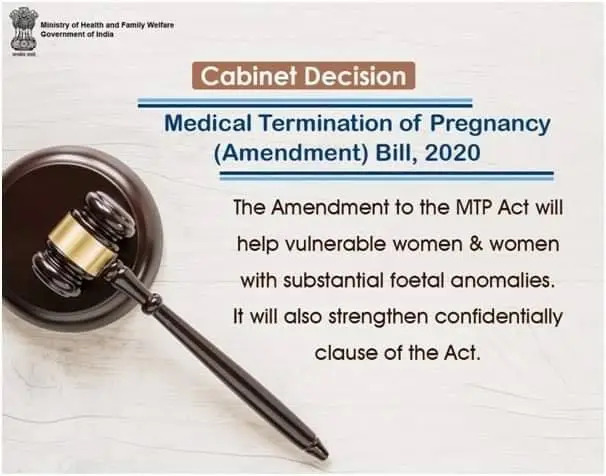
    The Union Cabinet passed the MTP (Amendment) Bill, 2020 on 29th January 2020. Subsequently, on 17th March 2020, the Honourable Minister of Health and Family Welfare, Dr. Harsh Vardhan introduced the bill in the lower house of the Parliament (Lok Sabha) and it was passed by voice votes after a debate in which about twenty Members of Parliament spoke on the proposed amendments and the bill.

    Almost a year to the date, Honourable Minister of Health and Family Welfare, Dr. Harsh Vardhan introduced the bill in the upper house (Rajya Sabha). The minister elaborated on the genesis of the Medical Termination of Pregnancy Act, 1971, the larger goal of providing safe and legal abortion services to ‘women’ (emphasis added) who want to terminate pregnancy and the therapeutic, humanitarian and ‘eugenic’ (emphasis added) grounds on which terminations are permitted under the Act. The rationale provided for amendments was the large number of writ petitions seeking permission of the Supreme Court (26 petitions) and the High Courts (More than 100 petitions) for termination of pregnancy with foetal abnormality or a result of sexual violence and the technological advances that enable safe abortion even in later gestational age. The process of amendments according to the Minister included wide ranging consultations with stakeholders, clearance by an ethical committee, vetting by a group of ministers and special consultation with law and justice ministry. The minister indicated that the rules framed for the amended Act will elaborate on the category of women eligible for abortion beyond 20 weeks; norms for registered medical practitioners whose opinion will be required for terminations at different gestational age and the functions and powers of the medical boards that will grant permission for termination in case of foetal abnormality. According to him, these amendments will enhance access without compromising quality of services, autonomy, dignity and confidentiality of women and will ensure justice for women seeking services.

    A Member of Parliament moved the amendments to the proposed bill and requested that the bill be sent to select committee for further deliberations. Several members reiterated this demand. About eighteen Members of Parliament spoke on the bill.

    In terms of positive sentiments about the bill, the comments made included it being a positive step in the direction of furthering women’s emancipation and advancing their reproductive rights; proposed increase in gestational age being beneficial for minors and rape survivors who often get to know about pregnancy much later as well as for women who have pregnancy with foetal anomaly that is often diagnosed late in the pregnancy.

    Critics of the bill talked about lack of consultation with women, the primary stakeholders whose health and wellbeing are articulated as the focus of the bill. The short-sighted approach to medical board constitution was pointed out in view of unavailability of specialists and the lack of attention to women’s representation on the board. There was also mention of the logistic nightmare it would be for women in remote areas with an added layer for authorization that has the potential for unnecessary State intervention, delays thereby jeopardizing timely access to services and women continuing to seek judicial recourse in case of unacceptable decisions. It was stressed that decision making is a pregnant person’s right, not a medical board’s and the bill in its current format misses the right to abortion of pregnant person which was enshrined in the 2014 draft. Further, examination by a medical board is a violation of pregnant person’s right to privacy and dignity. Section 5A (1) of the Bill that states that ‘no registered medical practitioner shall reveal the name and other particulars of a woman whose pregnancy has been terminated under this Act except to a person authorized by any law for the time being in force’, was perceived to provide opportunity to violate confidentiality of the service seeker, assured under the original MTP Act. The proposed bill was labelled as far from comprehensive, a need based rather than a rights-based bill, one that lacked clarity on a time frame for the medical board decision-making process, and on conflation with the POCSO Act (section 19 of which mandates abortion service providers to report cases of minors to law enforcement agencies as rape and section 21 makes failure of the same as punishable). Members of Parliament brought up omissions in the bill such as an approach to address the needs and rights of sex workers and transgender persons and steps to be taken in case the foetus is delivered alive in the course of termination of the pregnancy.

    Some members also provided suggestions to strengthen safe abortion services that included stipulation for two Obstetricians (rather than registered medical practitioners) being permitted to opine on termination of pregnancy in later gestational period; training and permitting nurses, ANMs and AYUSH practitioners to provide 1st trimester abortions in rural areas with shortage of allopaths; including an anesthesiologist and a psychiatrist in the medical board; increasing awareness about the legality and availability of safe services; pro-actively combating stigma associated with abortion; setting up fast-track courts especially for minor rape survivors and providing paid maternity leave to women who undergo abortion, especially those who undergo abortion in later stages of gestation.

    The Minister countered the demand for sending the bill to a select committee. In his opinion, the process had already included extensive consultations with stakeholders, intense scrutiny by ethical committee and group of ministers and exhaustive discussions in the lower house. He highlighted that it was an attempt to address “extra-ordinary conditions and circumstances”, not “routine” abortions and the criticism about the bill was unwarranted. While referring to the classification of countries according to ’grounds for providing abortions’, he emphasized that India, in fact, had one of the most liberal abortion laws in the world. And this was being strengthened to further benefit women, by the proposed amendments. He added that the concerns about human resource shortage were misplaced as the system had been strengthened in the recent past with 80,000 seats for under-graduation, 24,000 seats for post-graduation, the health system had more than 10 lakh ASHAs and was able to eradicate diseases. He argued that the health system thus had the capacity to support the proposed amendments.

    At the end of minister’s reply, the bill was then put to vote and was passed by the Upper House.

    Reflections and recommendations

    While the bill has a positive provision of reducing the number of doctors’ opinions needed for abortions between 12 to 20 weeks from two to one, recommendations proposed in 2014 amendments to provide abortion services on demand up to 12 weeks have been disregarded and the increase of the gestational age from 20 weeks to 24 weeks remains conditional to women belonging to certain categories only. Replacing the phrase ‘married women and her husband’ in the clause for providing abortion services in case of contraceptive failure with ‘women and her partner’ is partially welcome as it encompasses those out of wedlock. But retaining this focus on the partner, excludes single women, especially sex workers. Use of gender specific term ‘women’ as against ‘pregnant persons’ excludes trans and gender non-binary persons. Setting up of medical boards remains the biggest concern as it violates service seeker’s reproductive rights, adds an unnecessary layer of third-party authorization, and creates a deterrent to service access owing to inevitable implementation challenges.

    The overall bill fails to consider abortion access as a right of the pregnant person and rather extends the discourse of service provision under eugenic and compassionate grounds at the discretion of medical professionals. The bill continues to be hetero-patriarchal in nature.

    It is important to note that despite the discussion in the lower house, no changes were made (To know more about the Lok Sabha/ Lower House debates, please check out our blog https://safeabortion889409100.wordpress.com/2020/03/27/ lok-sabha-debate-on-mtp-amendment-bill-2020/). It is disappointing that even after half a century since the original act was passed, this long pending amendment doesn’t uphold abortion as an undeniable reproductive right within the ambit of sexual and reproductive health rights enshrined in multiple commitments under human rights treaties and development agendas.

    The bill now awaits the President’s assent followed by a Gazette notification for making it into an Act. There is not much window to make changes in this space but there is a pressing need to continue our advocacy efforts to ensure that the MTP Rules framing process is inclusive of diverse stakeholders and maximizes ways in which the rules can accommodate provisions for improving access to safe abortion within the ‘given’ structure of the bill/act. There is a need for development of comprehensive implementation guidelines which can translate into the most liberal interpretation of the law. It is also necessary to create strong accountability mechanisms for tracking progress on rules framing and implementation of commitments made in the parliamentary debates.

    CommonHealth remains committed to its vision of ‘a society that ensures the right to the highest attainable standards of reproductive and sexual health for all, especially for women and marginalized communities in India’. It would continuously strive to make access to safe abortion services a reality through all possible avenues.

    Acknowledgement: With inputs from Ms. Renu Khanna, Steering Committee Member, CommonHealth

  • Lok Sabha Debate on MTP (Amendment) Bill 2020

    Lok Sabha Debate on MTP (Amendment) Bill 2020

    The Medical Termination of Pregnancy (MTP) Act of 1971 legally permits abortion services for select conditions that provide exemptions from prosecution under the Indian Penal Code of 1861. The MTP Act specifies the gestation, facilities, physical infrastructure, and service providers for service provision. The Act and its rules have undergone amendment in 2002 and 2003 to clarify or define terms used, simplify approval of facilities that can provide the services and to keep in pace with medical advances such as the advent of the medical abortion pills.Yet, in India, a woman cannot decide for herself to have an abortion, rather the Act along with other laws and Acts in the country can be and are increasingly used to prevent access to safe abortion services. In the recent past, the number of cases filed in the court to access safe abortion services has increased exponentially. Recent data shows that majority (>80%) are conducted outside ‘legally approved or safe’ facilities and persons seeking abortion face a range of systemic and legal barriers, in accessing safe and legal abortion services, especially for gestational period beyond legally mandated 20 weeks. CommonHealth strongly believes that the right to take decisions that have implications for their own health and for access to safe, good quality services including those for safe abortion are a woman’s right.

    In January 2020, the MTP (Amendment) Bill, 2020 to extend the gestational limit with a stated aim of bringing about gender justice and furthering reproductive rights was proposed and passed by the Union Cabinet. Subsequently, Honourable Minister of Health and Family Welfare, Dr. Harsh Vardhan introduced the bill in the lower house of the Parliament (Lok Sabha) on 17th March 2020. He presented the objective, key proposed amendments and sought responses from members of the house. The major amendments proposed in the bill were as follows:

    1. Increasing gestation limit for termination of pregnancy from 20 weeks to 24 weeks for women from vulnerable groups including survivors of sexual violence and those pregnant with foetal anomalies, with opinion of 2 registered medical practitioners
    2. Relaxation of the upper gestational limit for termination of pregnancy in cases with substantial foetal abnormalities diagnosed by a Medical Board comprising of a gynaecologist, a paediatrician, a radiologist or sonologist, and other members as notified by the state government.  
    3. Requirement of only 1 registered medical practitioner for termination of pregnancy till 20 weeks of gestation
    4. Changing the language from ‘married women and her husband’ to ‘women and her partner’ in the clause for allowing terminations of pregnancies that happened as a result of failure of contraception
    5. Punitive measures against any registered medical practitioner who reveals particulars of the woman whose pregnancy has been terminated to anyone other than those authorised by any law. 

    About twenty Members of Parliament spoke on the proposed amendments and the bill. We have attempted to summarise the key themes discussed and debated in the Lok Sabha from the perspective of CommonHealth (Key points made by members in table at the end of the document).

    Need for abortion services: Most Members of Parliament chose to speak on the need in the context of survivors of sexual violence (including minors) and pregnancies with foetal anomalies. They also discussed the role of safe abortion services in reducing maternal mortality and thus fulfilling commitments under Sustainable Development Goals.

    Conditionalities: Some members appreciated the removal of the word ‘married’ and replacement of ‘husband’ with ‘partner’ in the clause on failure of contraception. They saw it as a positive step towards making the law aligned to the present societal norms and towards ensuring the access of single women (unmarried, widowed) and commercial sex workers to abortion services. A few members asked for revising the availability of abortion services under all the clauses and for all women till 24 weeks rather than restricting these for vulnerable women (including sexual violence survivors) and for reasons of foetal anomalies. On the other hand, two members argued for restricting the increase in gestational limit only till 22 weeks in view of the possible viability of the foetus around 24 weeks.

    Conflation with POCSO Act: Members highlighted provisions under the Protection of Children from Sexual Offences (POCSO) Act, 2012 that contradict and adversely impact service delivery under the MTP Act. Concerns were raised that requirement of guardian for a minor sexual violence survivor may be a deterrent for the survivor to report and subsequently to seek abortion services. The fact that POCSO Act categorises all sexual activity by minors or persons under 18 years of age as a criminal offence (deeming them non-consensual and not recognising agency of minors) and that it may deter those having consensual sexual activity to seek safe and legal abortion services was mentioned. The stipulation about service provider mandatorily reporting any sexual activity by minors to the police under POCSO Act is in direct conflict with the MTP Act mandate about ensuring confidentiality of the abortion seeker. The confusion and its potential for service denial were highlighted. The Health Minister responded to these concerns and said that these will be addressed while framing the revised rules for the amended MTP Act.

    Medical boards: There were lot of comments on the composition of the board. Proposals for including psychologist, psychiatrist, social worker, judicial members and preferably members being female were made. There were recommendations to create such boards at every district, with ability to respond within 48-72 hours of presentation of a case. Members also advocated for states having greater authority over their functioning. However, a few members raised red flags about feasibility of forming medical boards across the country, given the acute shortage of doctors, especially specialists required as per the composition. Members were concerned that the boards may act as barriers. They proposed that the doctor (approved under the Act) at the health facility be allowed to take decisions. The Health Minister responded that in case of pregnancies with 24 weeks or more gestation, there is need for expert opinion to ensure that the decision is in the best interest of the woman’s health. He also said that while currently more than 100 medical boards already exist, the suggestions around composition and functionality of the medical boards would be taken into consideration while framing the revised rules under the MTP Act and it will be ensured that there would be no delays because of the functioning of these boards.

    Judicial processes: The need to ensure that there are no judicial delays (especially in cases of sexual violence) resulting in the pregnancy crossing the 24 weeks gestational limit was unequivocally stressed upon. There were suggestions for setting up fast track courts for young survivors of sexual violence requiring MTP services. Concern specifically around the situation as in Uttarakhand was highlighted. Uttarakhand still has Patwari police system and owing to hilly terrain, poor availability of and access to health facilities. Stressing on the need for maintaining confidentiality, one member also suggested that judiciary should ensure that the punitive measures for revealing abortion seeker’s information are more stringent.

    Service provision: Ensuring availability of services (till 24 weeks of gestation) in all parts of the country, especially rural areas was mentioned. Majority of the members talked about complementing abortion service provision with interventions focussed on providing accurate information at the community level through ASHAs, media, and panchayats.

    Need for adequate backup health facilities available to women who are using medical abortion pills was raised. Alongside, there were suggestions for imposing ban on over the counter sale of abortion pills. [Mifepristone+Misoprostol combi-packs are Schedule-H drugs and thus are not for OTC sales].

    Discomfort of some service providers in terminating pregnancies of more than 22 weeks owing to probability of a viable foetus was mentioned. The Health Minister responded that these ethical issues would be addressed adequately in the rules under the Act.

    Service providers: A major concern expressed wasthe shortages of MTP trained doctors, especially in rural areas. Members advocated for increasing MTP trained doctors at lower level facilities and increasing availability of Obstetricians in rural areas. One suggestion was to increase the provider base by training and allowing AYUSH doctors. Another suggestion was to involve only female health providers in MTP service provision.

    Right to abortion: Under the Act decision-making rests with the attending doctor. Some members stated that women should be at the centre of decision making and a few talked about doing away with any conditionalities till 12 weeks of gestation. There was an ask to replace ‘women’ with ‘pregnant persons’ in the language to make the provisions under the Act inclusive of transgender persons. On the other hand, there was also mention of abortions being a crime against humanity; abortion services being misused and women undergoing abortions again and again. Members with these concerns called for strict regulatory mechanisms and limiting the number of abortions available to a person.

    Decriminalisation: Abortions are still a criminal offence under the Indian Penal Code section 312-316 and the MTP Act lists exceptions from prosecution for certain conditionalities. A few Supreme Court judgements state the right to abortion as a reproductive right that falls within the domain of privacy, deeming it a personal decision and thus excluding any third party authorisation. A member highlighted these aspects along with advocating for decriminalisation of abortion.

    Others: Suggestions were made to include abortion services under Ayushman Bharat, so that the financial burden on women seeking abortion is mitigated; provide compensation for any deaths due to abortion and mandate all district hospitals to do USG scans for all pregnant women to rule out foetal anomalies. Need for special considerations for tribal and deranged (Vikshipt) women who are raped was also articulated.

    Reflections and recommendations

    It was heartening that among the members of parliament who spoke, except one, all supported the bill. It was encouraging to see male and female MPs discussing about the need of safe abortion and one male MP added the imperative that men should participate more in such discussions, as they are also part of the reproductive process. Some had very progressive views and spoke about decriminalisation, abortion as a reproductive right of women, placing the decision making with women (instead of doctors) and being inclusive of transgender persons. The issue of conflation with the POCSO Act leading to adverse effect on service provision and access was also adequately raised. Few members even highlighted the issue around the medical boards owing to both challenges in forming and their being a barrier and an example of third party authorisation

    However, some speakers were repetitive and seemed to be unaware of the nuances and ambit of the original act and the amendments being brought in. Also, there was no discussion or debate and majority of the points mentioned or concerns raised did not seem to have much effect in changing anything in the bill. The Health Minister responded to a few of the issues mentioned and said that these will be addressed during the framing of rules for the amended Act.

    In our view, though ‘rights’ was mentioned a number of times, it was in the context of sympathy for the person seeking abortion with examples mainly of sexual violence survivors and therefore counter-intuitive. The reluctance of members who are the policy influencers to do away with conditionalities that impinge on abortion seeker’s rights and to continue to vest the power of decision-making with doctors/medical boards/judiciary was against the spirit of sexual and reproductive rights enshrined in international human rights and developmental frameworks.

    While the bill was passed (as introduced) by voice votes, CommonHealth (as a coalition of organisations and individuals working on the issues of safe abortion) believes that the amended bill needs further revisions. It believes that

    • abortions should be available at will of the pregnant person at least up to 12 weeks of gestation without any requirement for authorisation by a medical practitioner; 
    • abortions should be available irrespective of gestation and subject to the opinion of one medical practitioners, to pregnant persons on grounds of sexual violence/rape, diagnosis of substantial foetal anomalies, and change in circumstances; and
    • language of the Act should be inclusive and sensitive to the needs of abortion seekers;
    • third- party authorisation either through medical boards or judiciary should be done away with

    CommonHealth also strongly urges that the Bill be referred to a Standing Committee and ensure wider consultations to obtain multiple stakeholders’ perspectives.

    AspectComments supportive of Abortion SeekersOther comments
    Decriminalization1. Need to decriminalize abortion since MTP Act is just an exception to IPC 312 (Ritesh Pandey, BSP, UP) 
    Right to abortion1. Abortion is a reproductive right of the woman (Jothi Mani, INC, TN)
    2. Women should be in the centre of decision making (Jothi Mani, INC, TN) (Ritesh Pandey, BSP, UP)
    3. There should be provision for ‘on request’ (Jothi Mani, INC, TN) (Dr. Amol Ramsing Kolhe, NCP, Maharashtra)
    4. Should be for all ‘pregnant persons’ to include transgender persons (Ritesh Pandey, BSP, UP)
    1. There should be restriction on number of MTPs allowed per woman, maybe maximum of 2 (Chandeshwar Prasad, JDU, Bihar)
    2. Abortion is a crime against humanity (Dean Kuriakose, INC, Kerala)
    3. How to prevent misuse of the law? (Ram Kripal Yadav, BJP, Bihar)
    Need for abortion1. Important for reduction in MMR as per SDG commitments (Sangeeta Singh Deo, BJP, OD)
    2. Most important for women especially in cases of sexual violence (Jaskaur Meena, BJP, Rajasthan)
    3. Most important for child rape survivors (Ravi Kishan, BJP, UP)
    1. Pregnancy is a happy one only when child is born healthy and thus abnormal foetuses are a huge burden on women where there is more happiness in abortion (Dr. Harsh Vardhan, Health Minister)  
    Conditionalities1. Consideration should be for women seeking abortion for reasons other than foetal abnormality or sexual violence but has crossed 20 weeks of gestation (Jothi Mani, INC, TN)
    2. Positive step to remove ‘married’ word (Sangeeta Singh Deo, BJP, OD) (Dr. Shrikant Shinde, SS, Maharashtra)
    3. Replacement of ‘married women and her husband’ by ‘women and her partner’ in case of contraceptive failure is to uphold rights of single women, widow and commercial sex workers (Dr. Harsh Vardhan, Health Minister)
    1. Gestational limit to be increased to 22 weeks only (Dr. Kakoli Ghosh Dastidar, AITC, WB) (Sougata Roy, AITC, WB)
    Conflation with POCSO1. MTP service delivery for minor girls a challenge due to POCSO. Even consent of a guardian becomes a barrier (Jothi Mani, INC, TN)
    2. Mandatory reporting by service providers do not allow privacy (Jothi Mani, INC, TN)
    3. Issues around pregnancy due to consensual sexual activity among minors should be considered. If reported by doctor, problem from family side and if not reported, problem from legal implications (Dr. Veeraswamy Kalandhi, DMK, TN)
    4. Rules will take care of POCSO related conflations (Dr. Harsh Vardhan, Health Minister)
     
    Medical boards1. Medical boards would act as a barrier and thus the doctor and the health facility should be empowered to take decisions (Jothi Mani, INC, TN)
    2. Should have only women members and need to include persons from social work background (Dr. Gautam Sigamani Pon, DMK, TN)
    3. Should respond within 48-72 hours (Dr. Amol Ramsing Kolhe, NCP, Maharashtra)
    4. There is acute shortage of doctors in rural areas and so difficult to form (Nishant Dubey, BJP, Jharkhand)
    5. Suggestions around composition and functionality of medical boards will be incorporated in framing of rules (Dr. Harsh Vardhan, Health Minister)
    1. Psychologist and judicial member should be included (Jothi Mani, INC, TN)
    2. State government should get more authority over powers of medical boards (Goddeti Madhavi, YSRCP, AP)
    3. Psychiatrists should be included (Dr. Amol Ramsing Kolhe, NCP, Maharashtra)
    4. Need to be formed at district level (Dr. Amol Ramsing Kolhe, NCP, Maharashtra)
    5. Should be sonologist, not radiologist (Dr. Kakoli Ghosh Dastidar, AITC, WB)
    6. For 24 weeks+ abortions, there is need of expert opinion considering the safety of the woman and currently 100+ medical boards already exist (Dr. Harsh Vardhan)
    Service provision1. Need of infrastructure esp. in rural parts for performing abortions till 24 weeks (Sangeeta Singh Deo, BJP, Odisha)
    2. Basic abortion services should be available at all levels (Dr. Amol Ramsing Kolhe, NCP, Maharashtra)
    3. Need to have availability and access to doctors for rural women using MMA (Dr. Shrikant Shinde, SS, Maharashtra)
    4. Need to be added under Ayushman Bharat, especially in Rajasthan (Nihal Chand Chauhan, BJP, Rajasthan)
    5. Need to prevent all illegal and unsafe abortion by wider availability of safe services (Thirumaa Valan Thol, VCK, TN)
    1. OTC sale of MMA pills should be banned (Dr. Amol Ramsing Kolhe, NCP, Maharashtra)
    Service providers1. Need of more providers at lower level facilities (Dr. Amol Ramsing Kolhe, NCP, Maharashtra)
    2. Other providers can be allowed (Dr. Amol Ramsing Kolhe, NCP, Maharashtra)
    3. Consider increasing provider base by including AYUSH doctors (Varun Gandhi, BJP, UP)
    4. Need to increase number of Obstetricians, especially in rural areas (P Raveendranath Kumar, AIADMK, TN)
    5. Rules will take care of ethical issues for abortus disposal (Dr. Harsh Vardhan, Health Minister)
    1. Discomfort of doctor in disposing abortus of 24 weeks; equivalent to ‘murder of a breathing child’ (Dr. Kakoli Ghosh Dastidar, AITC, WB)
    2. Only female health providers should offer abortion services (Jasbir Singh Gill, INC, Punjab)
    Awareness raising1. Should be done starting from Panchayat level (Jothi Mani, INC, TN) (Thirumaa Valan Thol, VCK, TN)
    2. ASHAs should be trained for providing accurate information on abortion (Varun Gandhi, BJP, UP)
    3. Should be done through media (Kotha Prabhakar Reddy, TRS, Telengana)
     
    Judiciary related1. Judicial delays should be addressed in order to avoid crossing 24 weeks gestational limit (Dr. Amol Ramsing Kolhe, NCP, Maharashtra)
    2. Fast track courts for young women survivors of sexual violence (Dr. Kakoli Ghosh Dastidar, AITC, WB)
    3. In Uttarakhand, there is still Patwari system and thus filing FIR is difficult. This is coupled with low availability of doctors. So, need to look into this aspect for access to abortion services especially in cases of sexual violence (Tirath Singh Rawat, BJP, Uttarakhand)
    1. Punishment for contravening clause on abortion seeker’s information can be increased to 2-3 years instead of 1 year (Nihal Chand Chauhan, BJP, Rajasthan)  
    Others1. Compensation for any deaths from abortion services (Chandeshwar Prasad, JDU, Bihar)
    2. Special consideration needed for tribal women (K Suresh, INC, KL)
    3. Need to account for deranged (Vikshipt) women who are raped (Dr. Virendra Kumar, BJP, MP)
    1. District Hospitals should do USG for all pregnant women to check for foetal anomalies (Dr. Kakoli Ghosh Dastidar, AITC, WB)